
East West University Economics Club Hosts Seminar on National Budget 2026–2027: Priorities and Perspectives
Jun 28, 2026
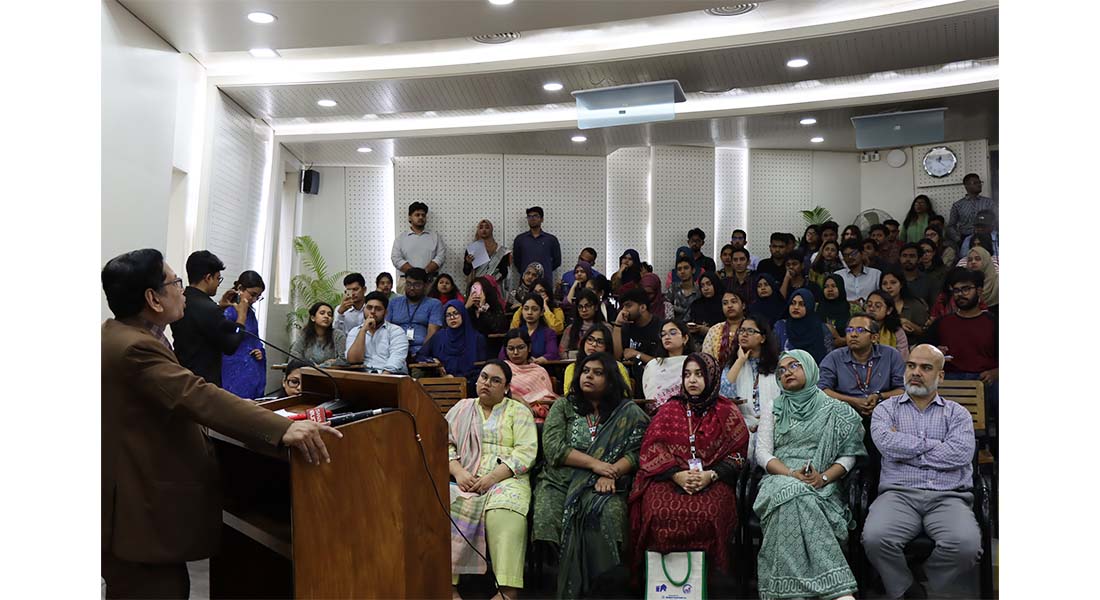
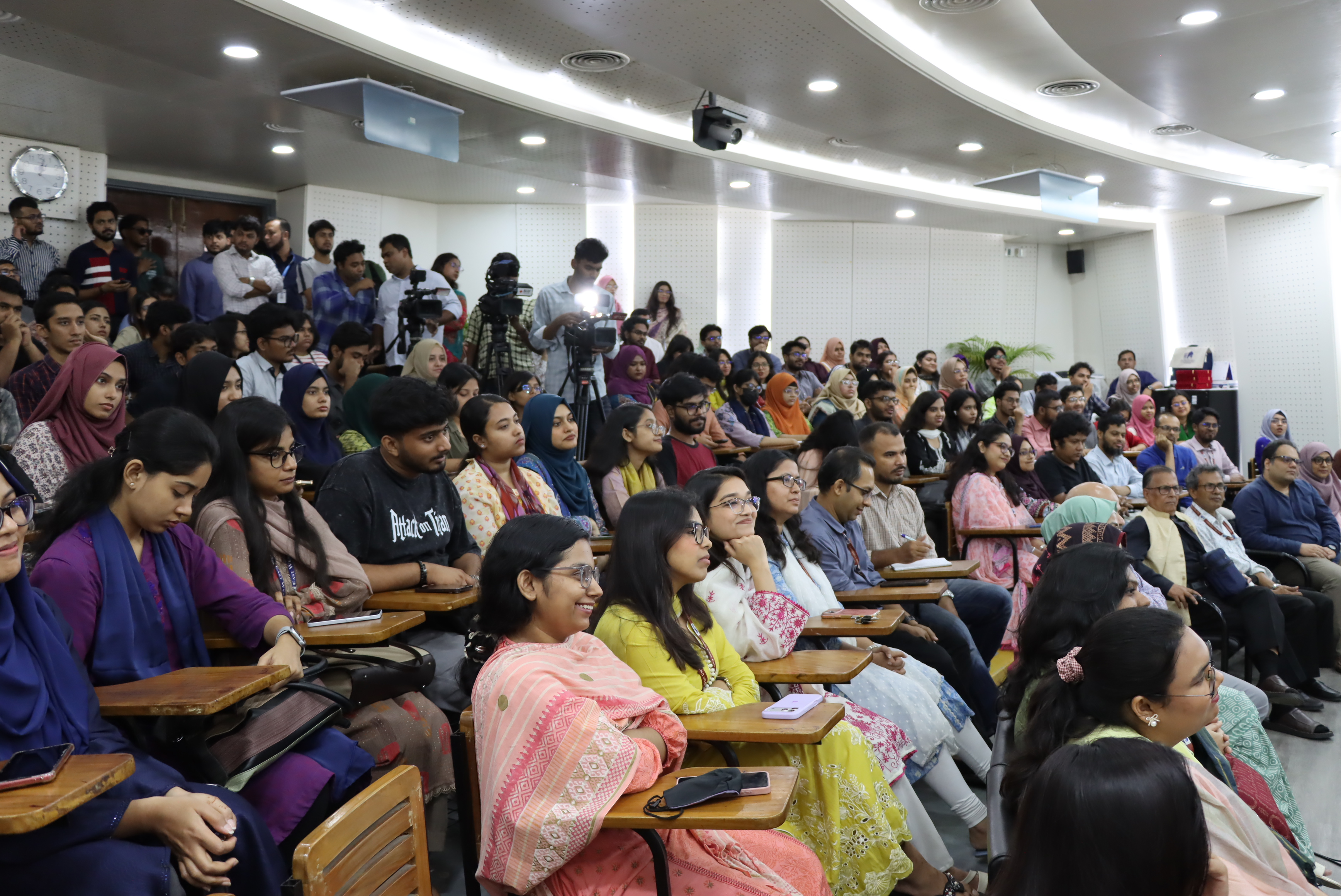
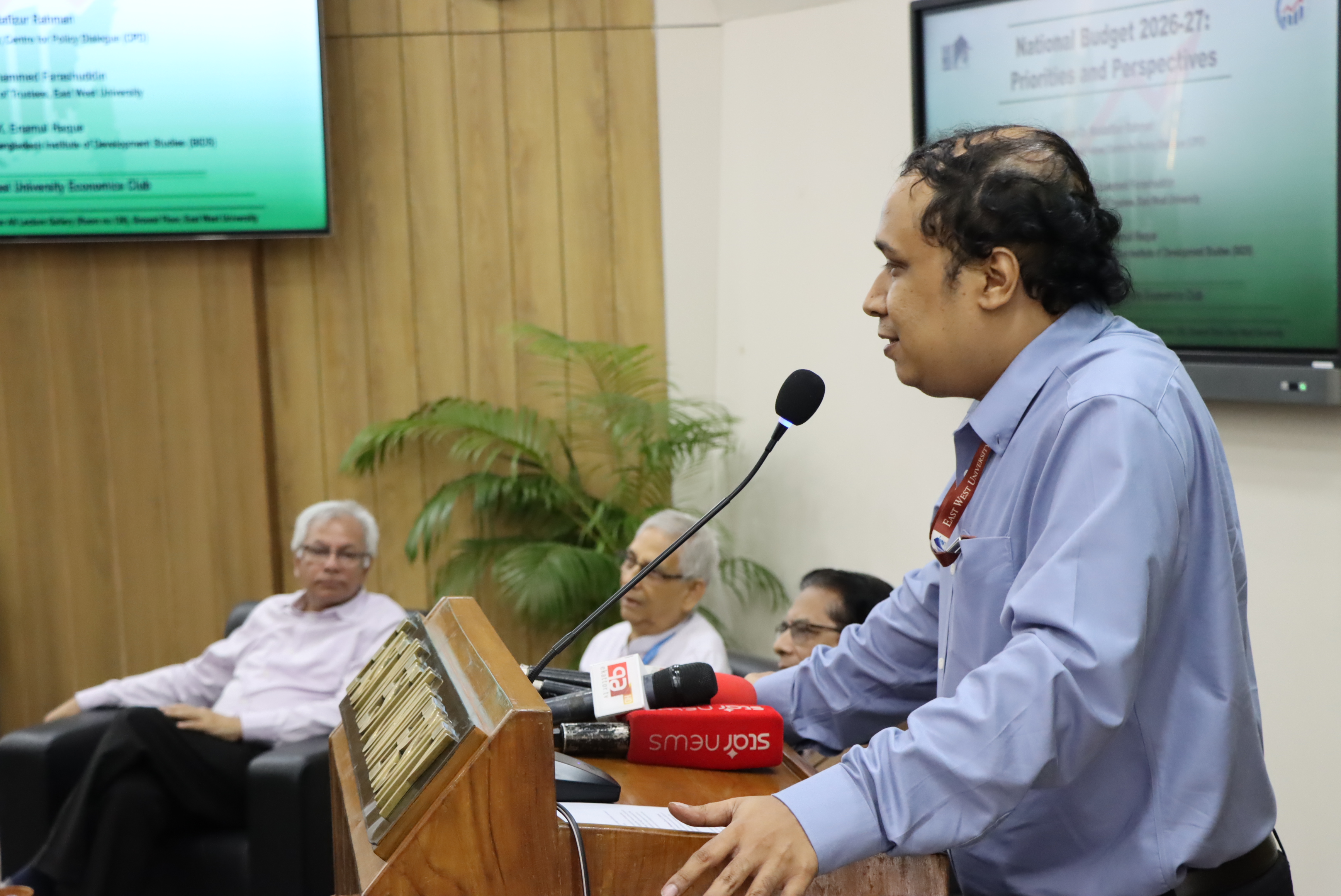
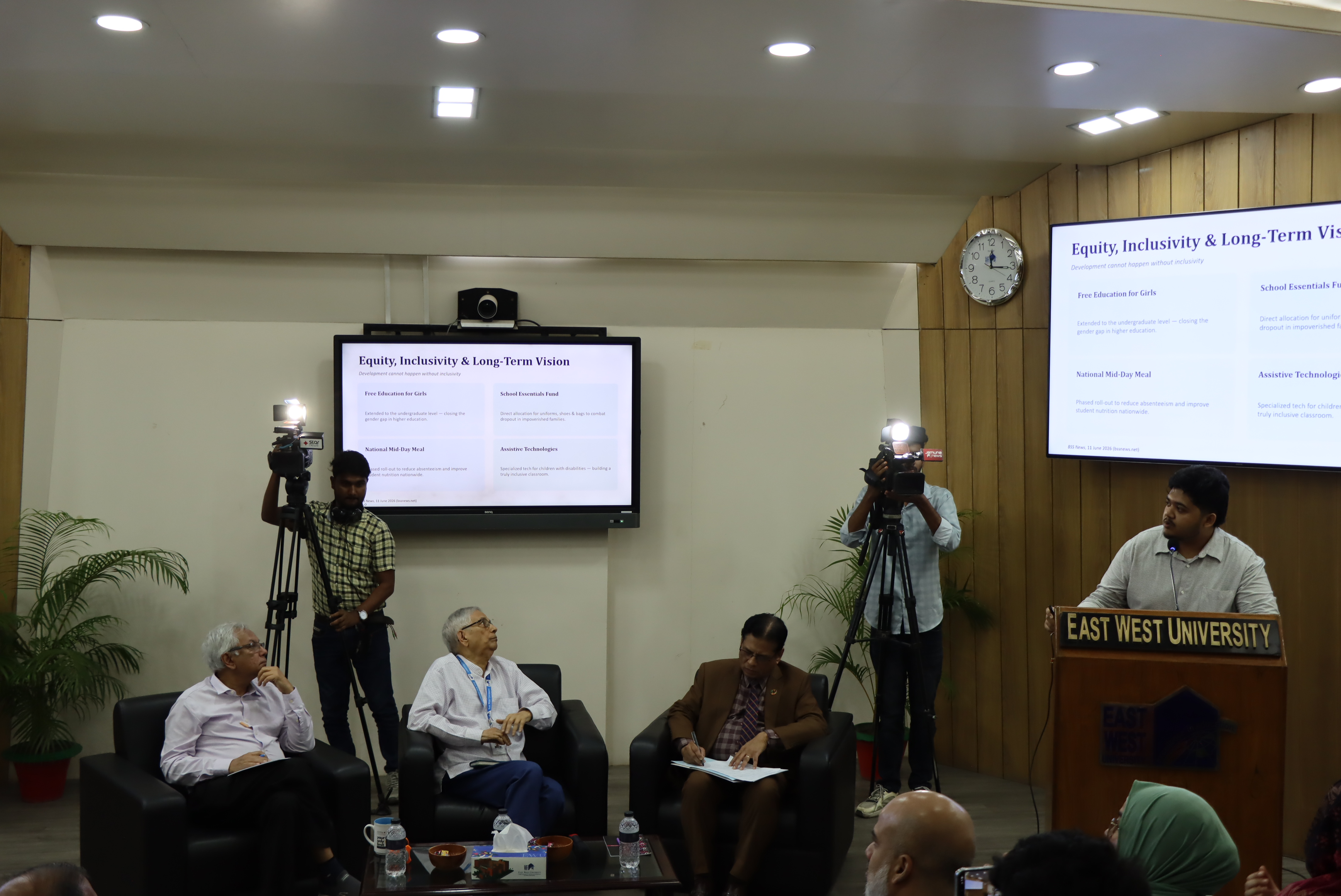
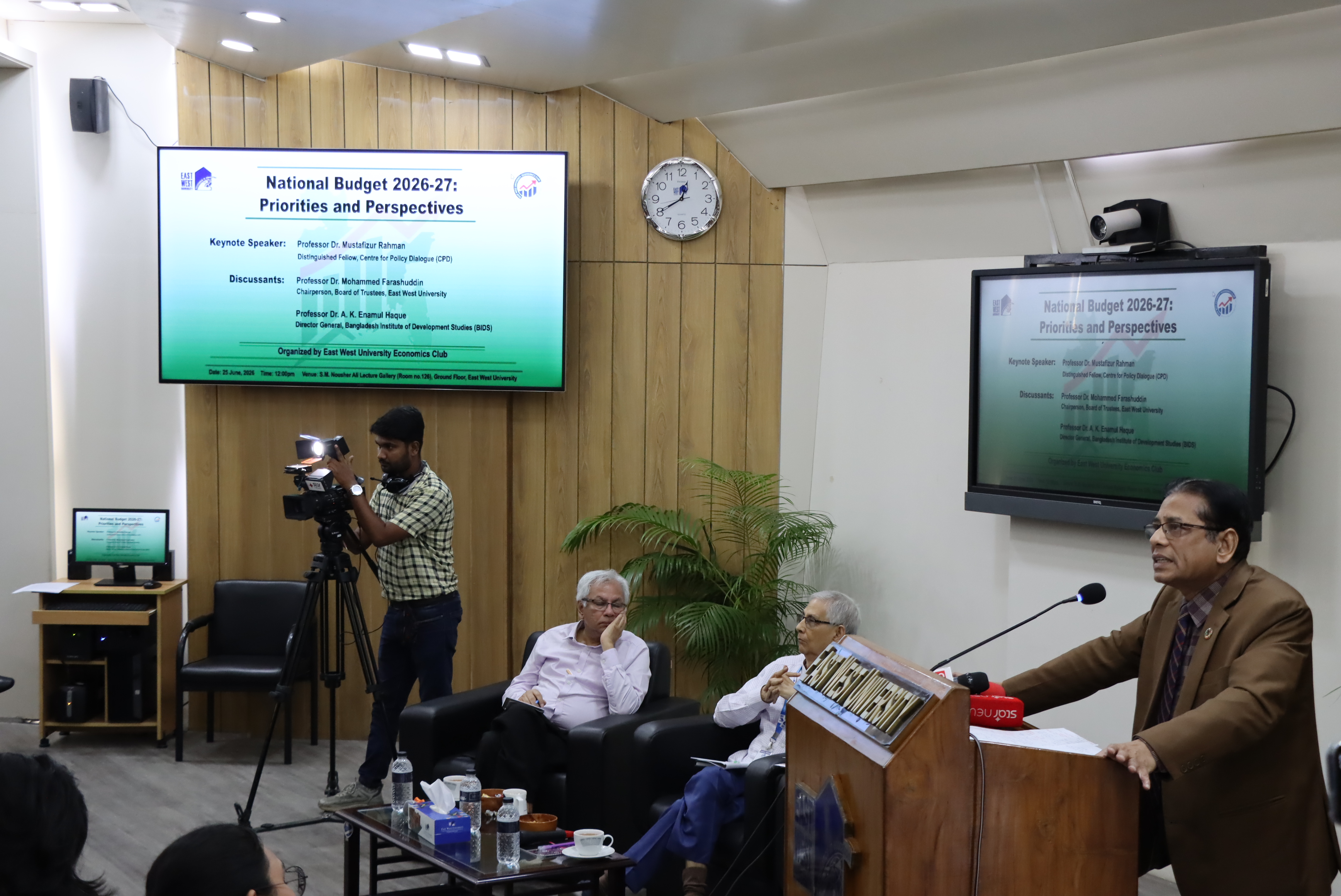
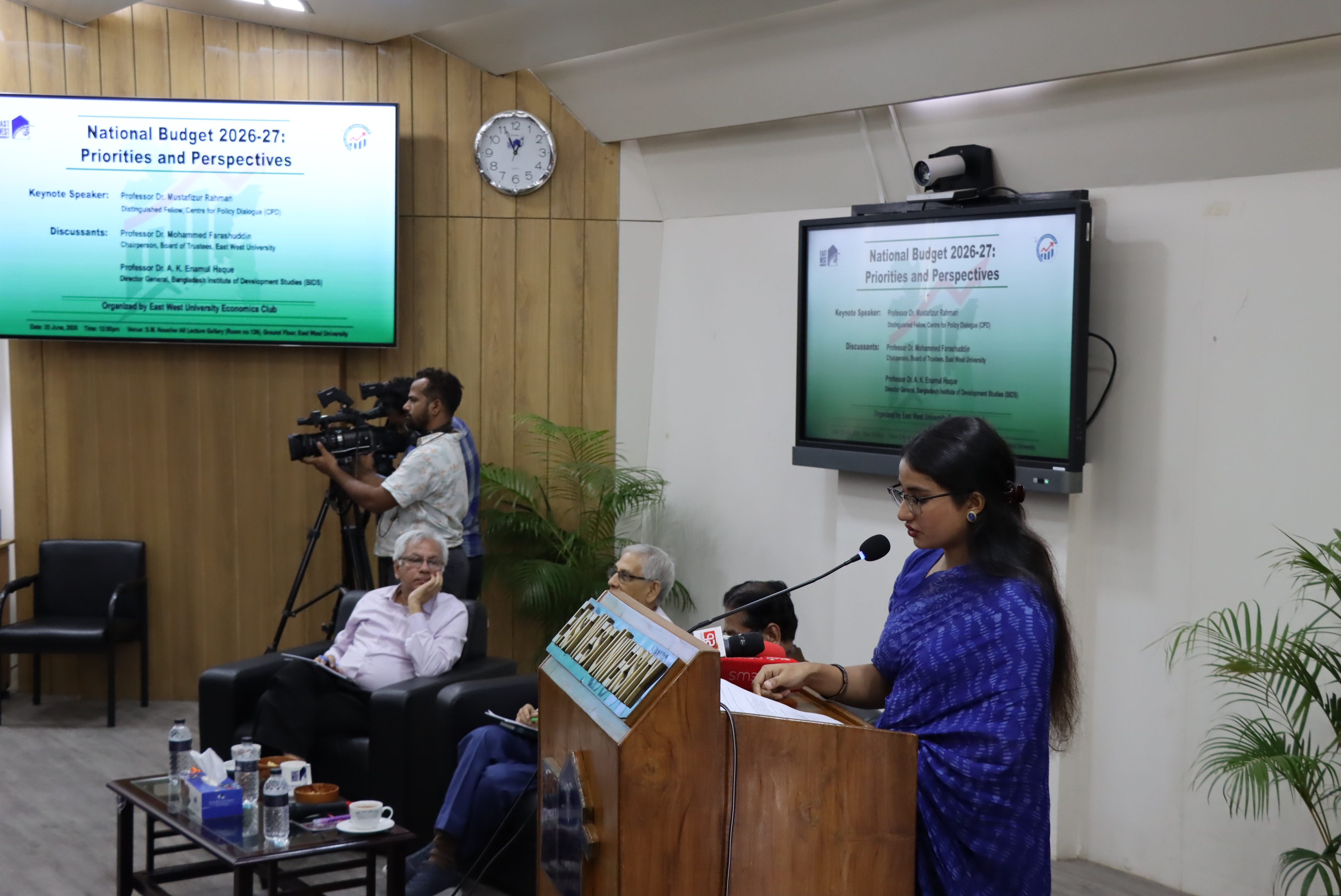
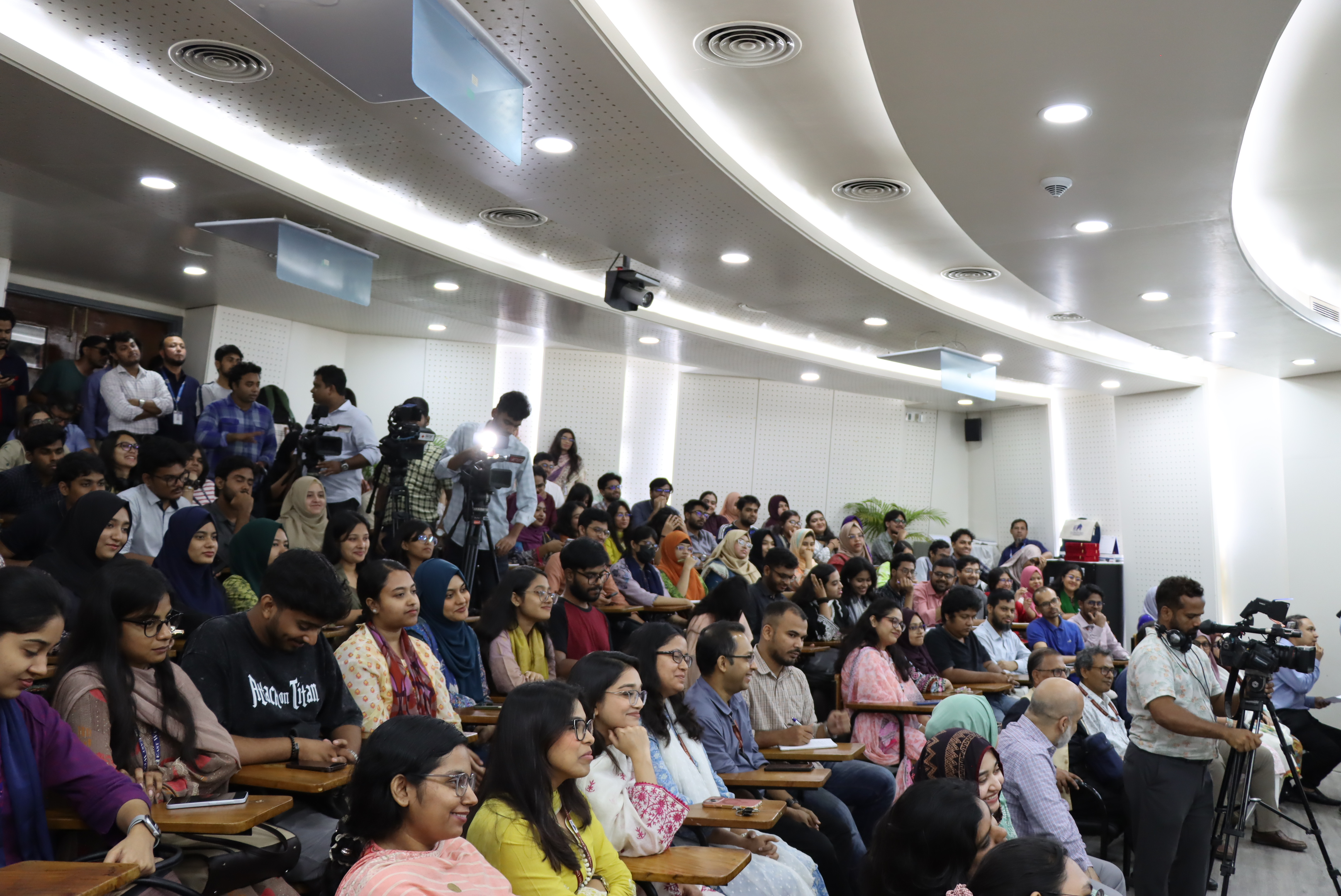
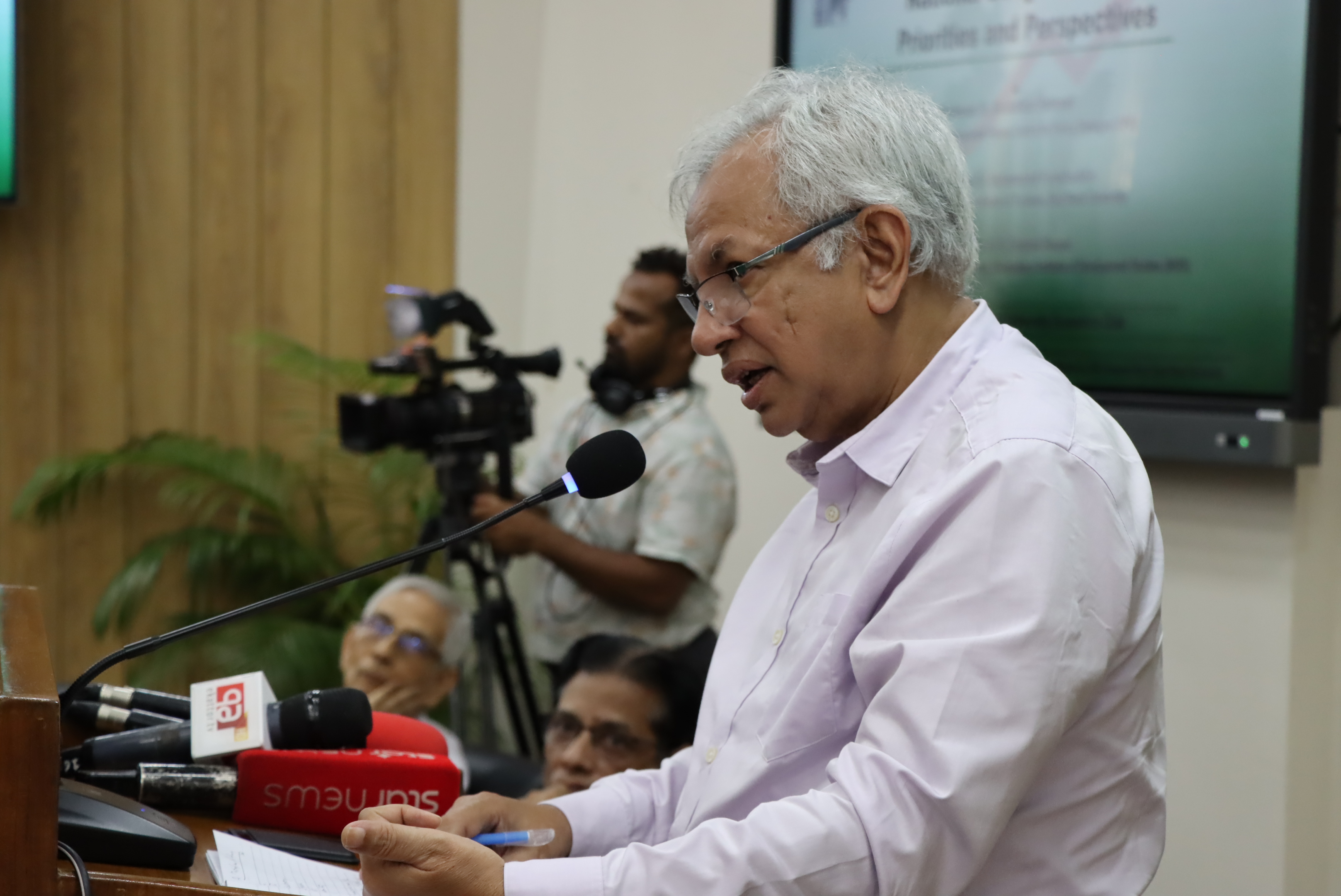
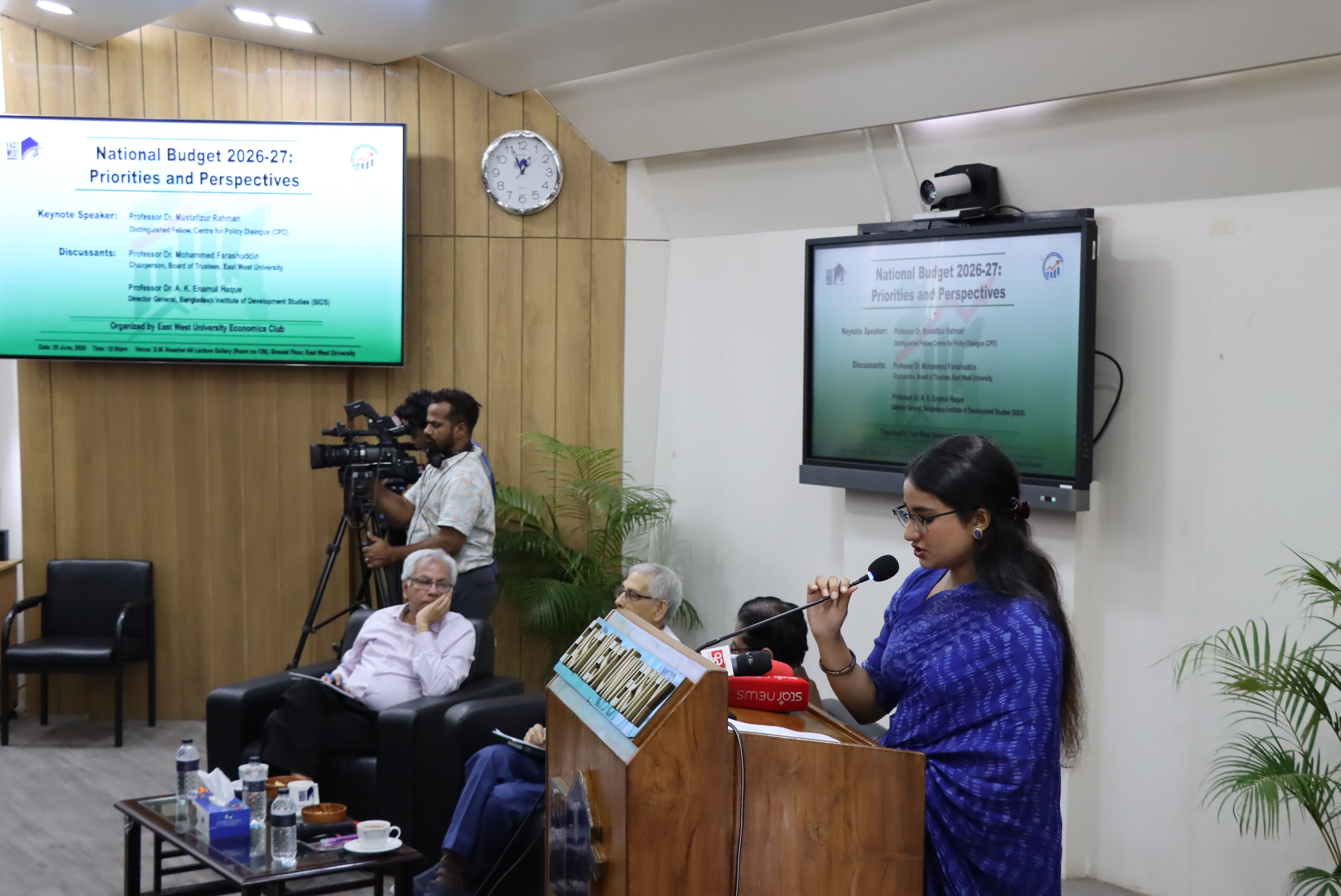
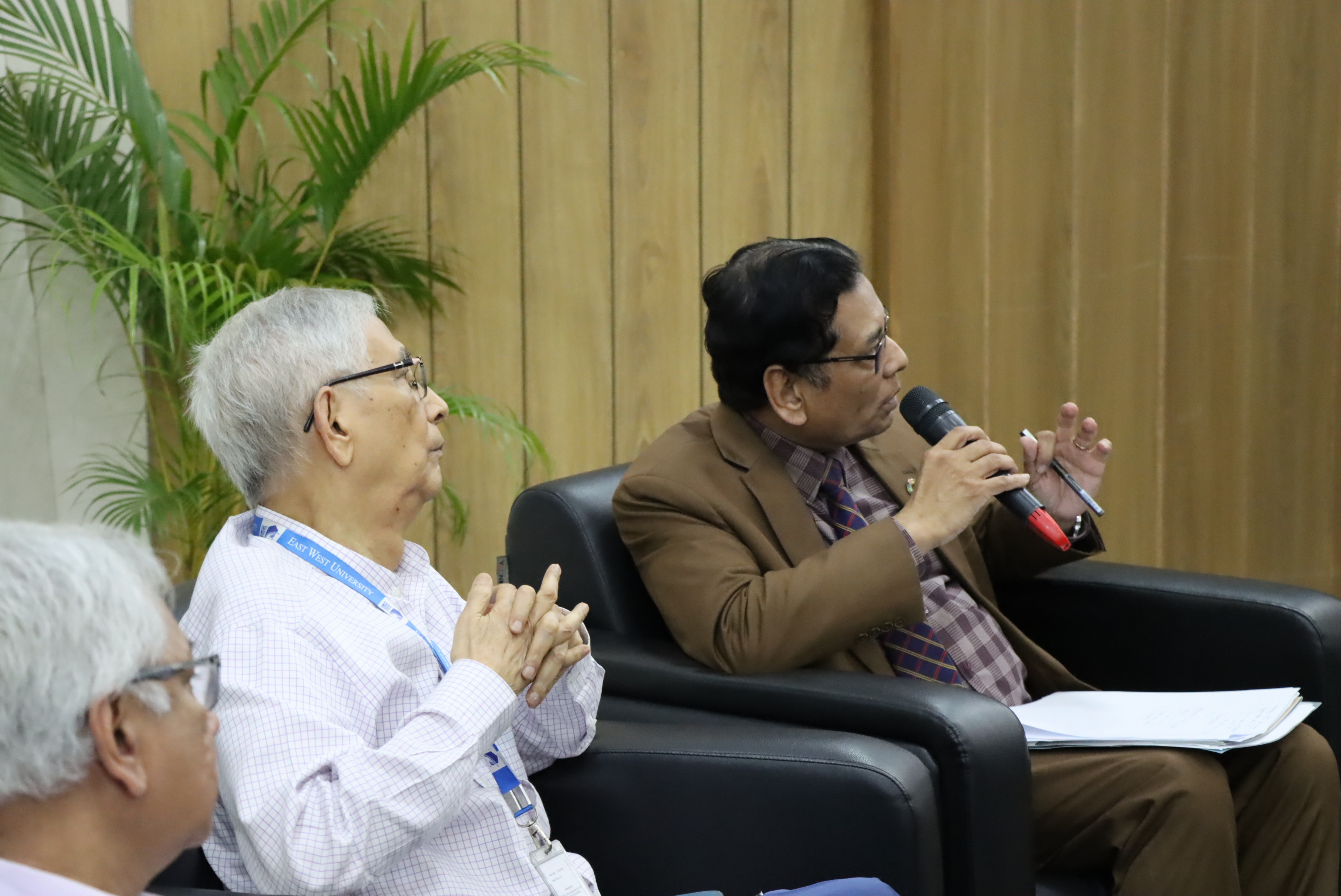
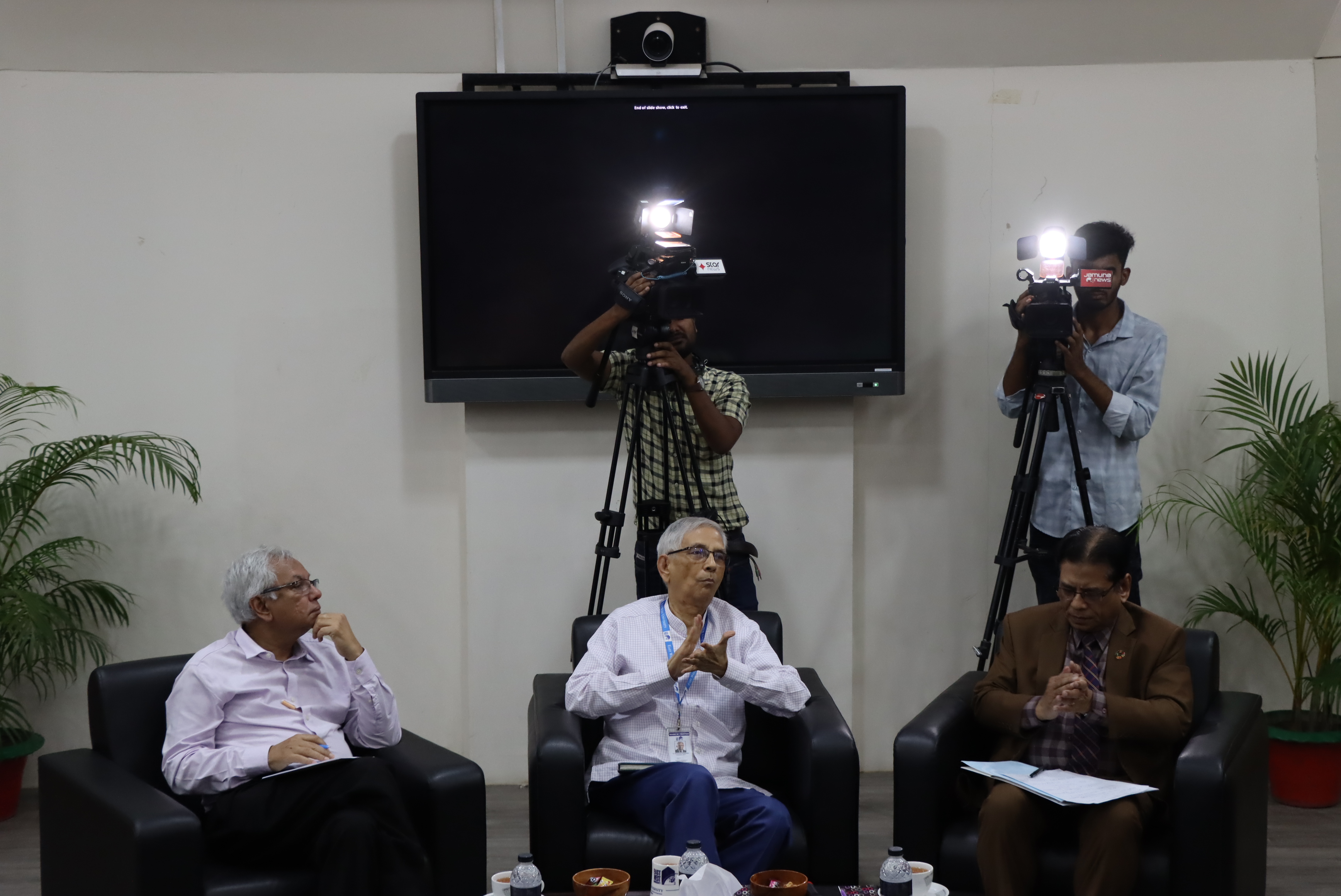
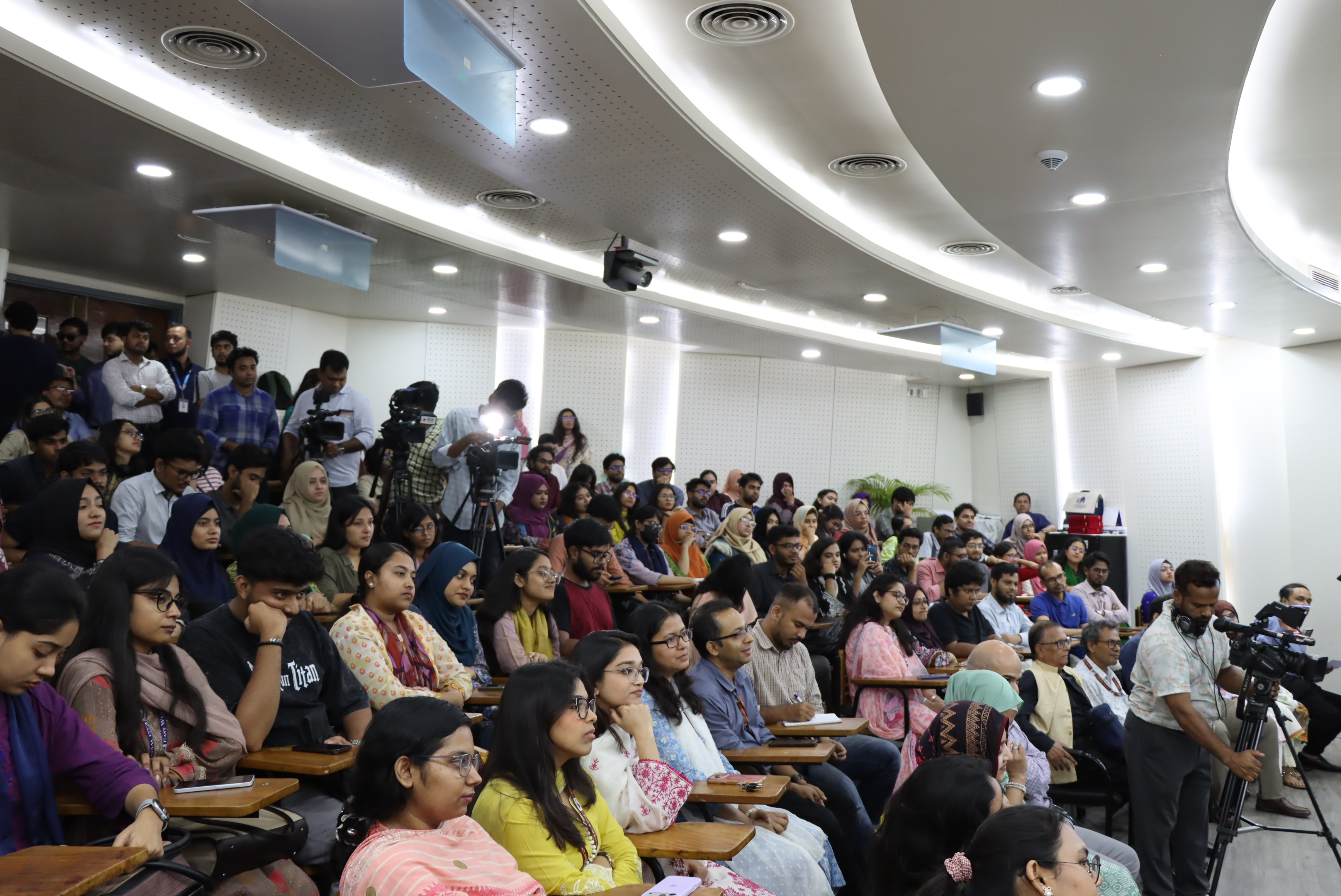
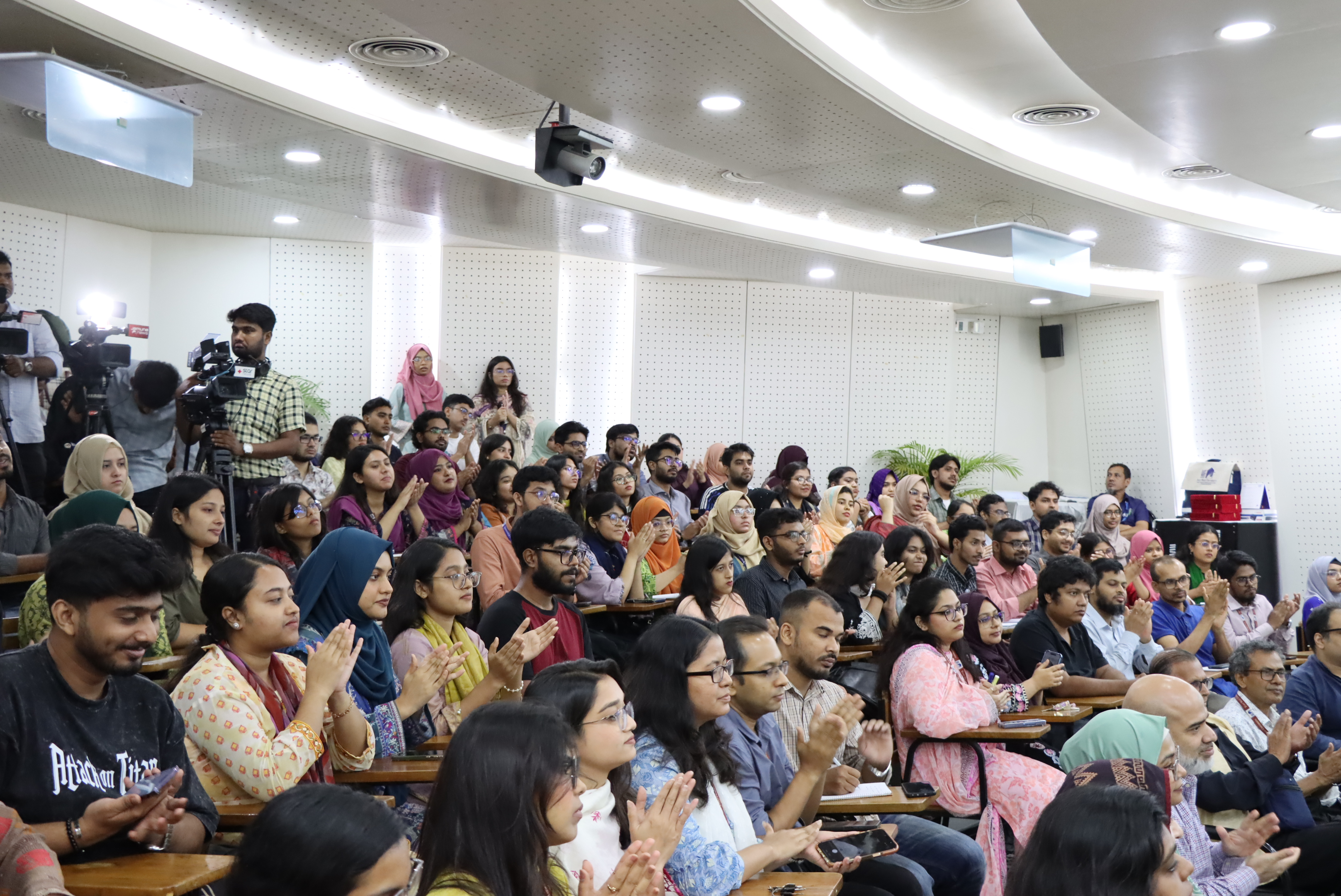
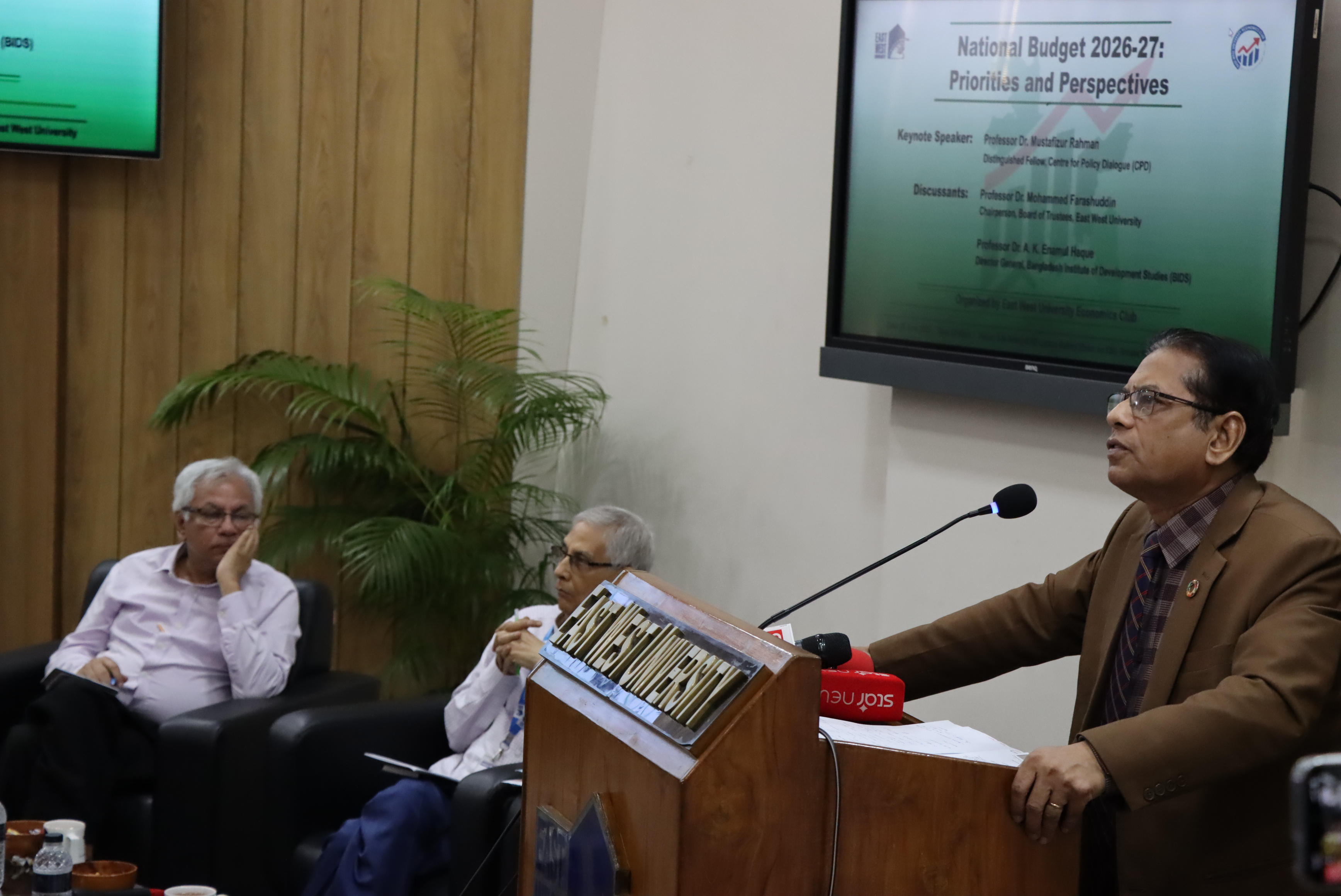
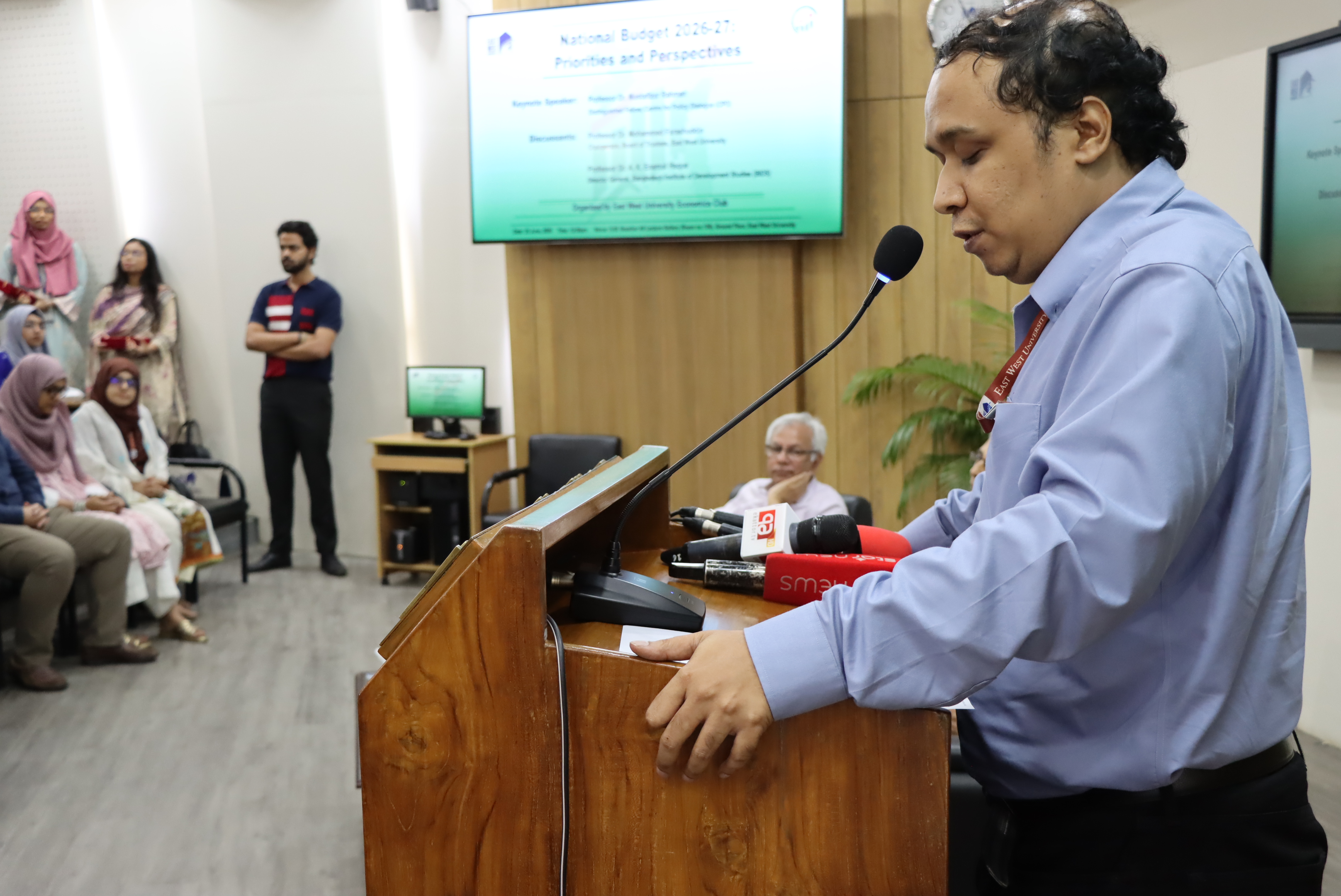
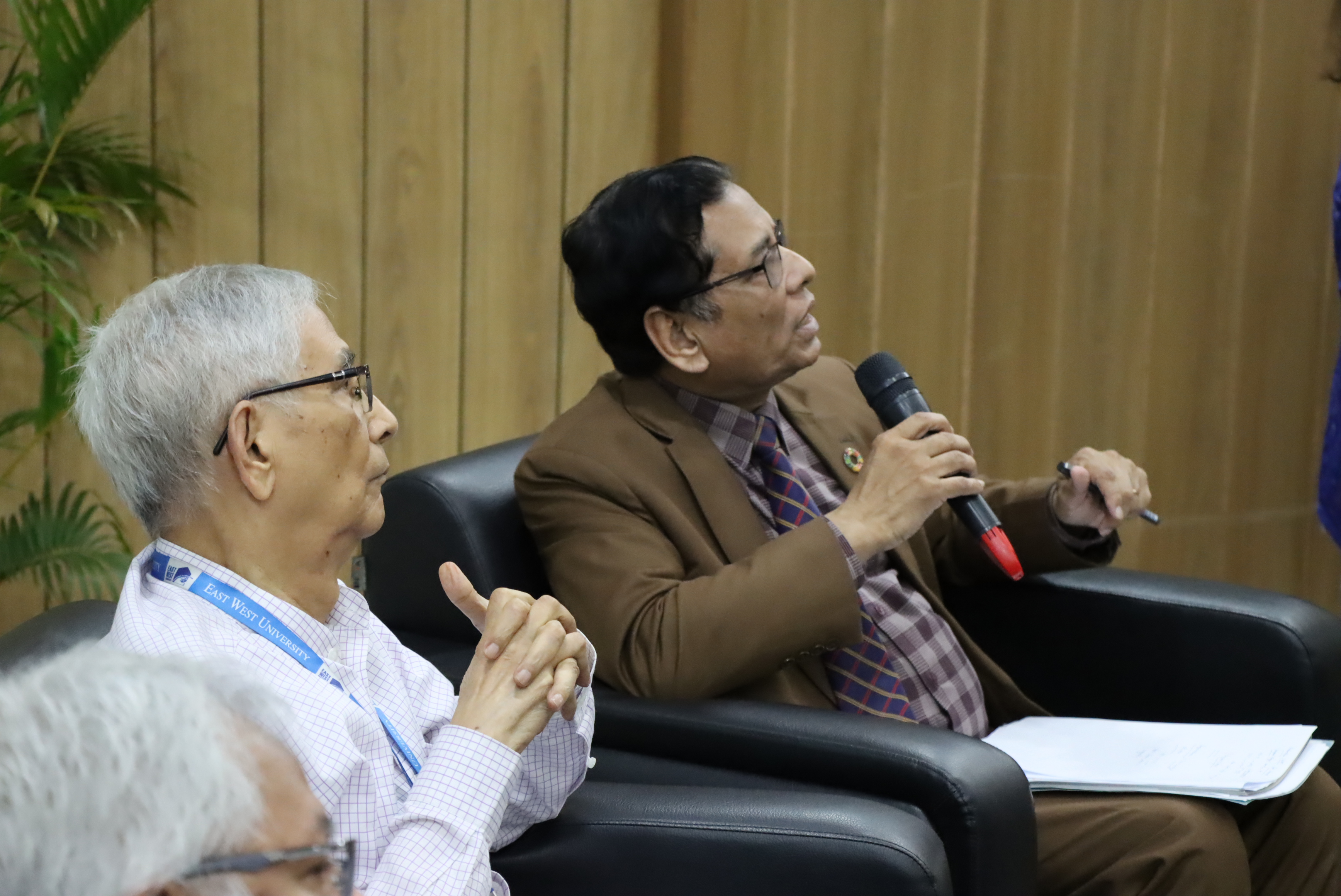
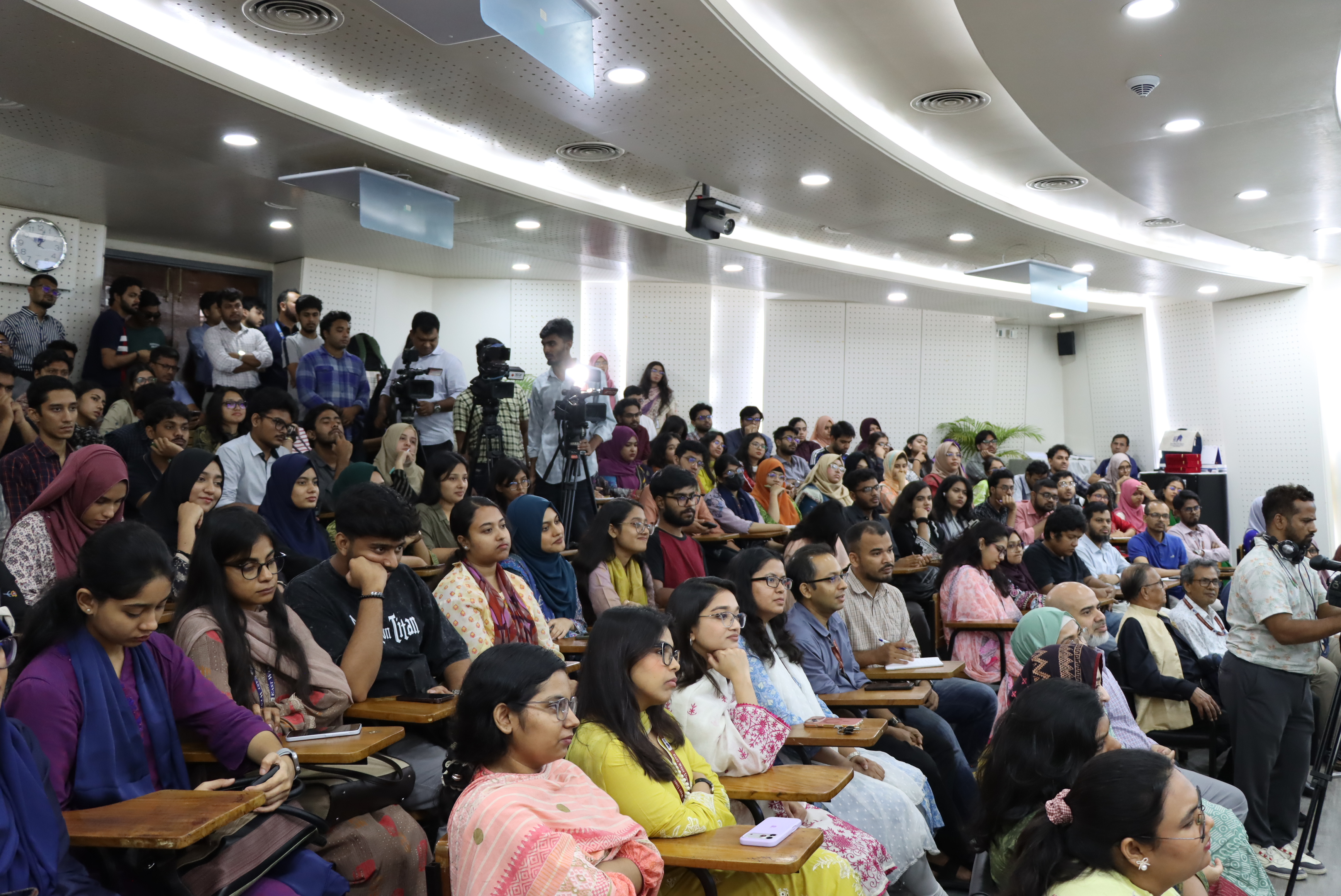
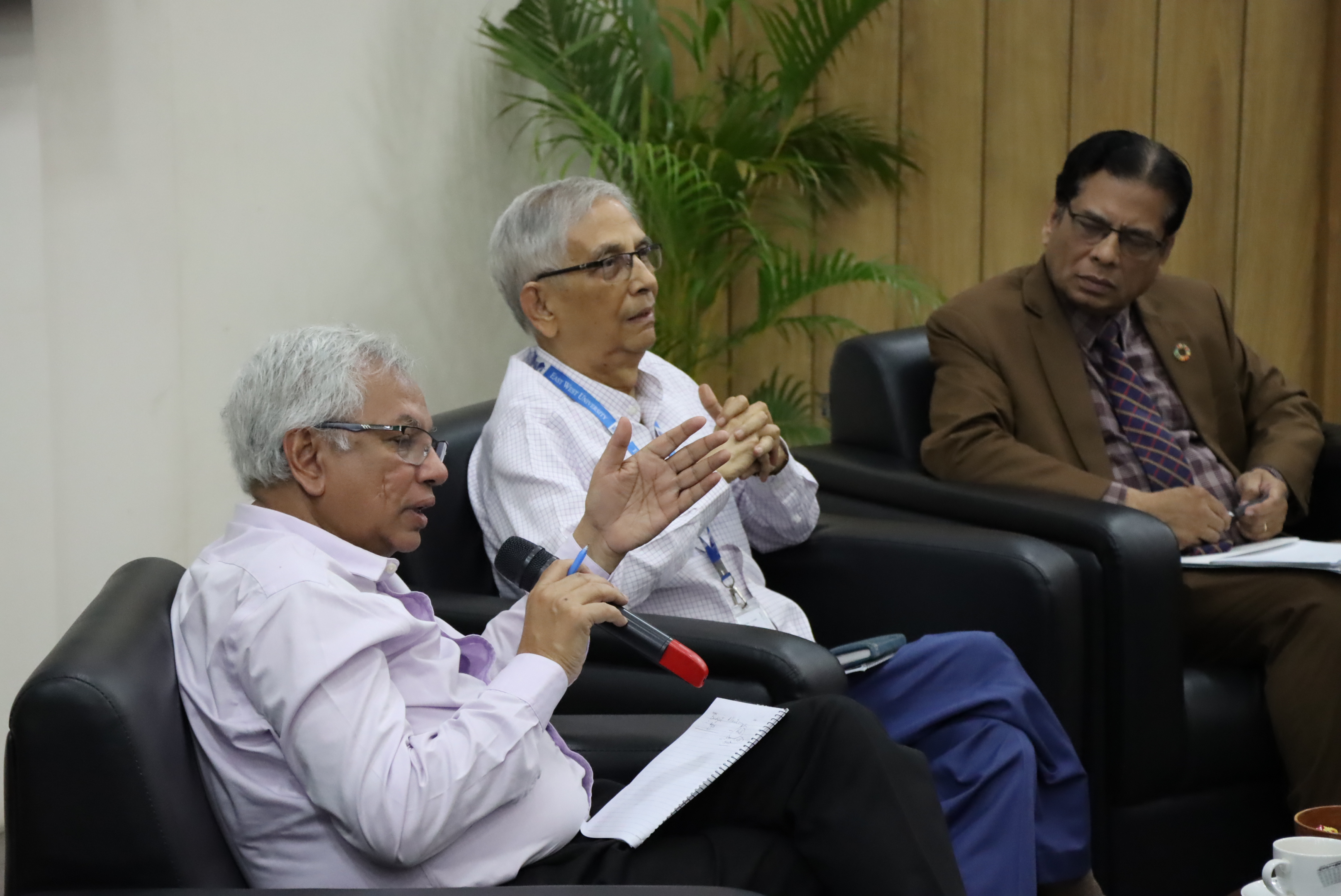
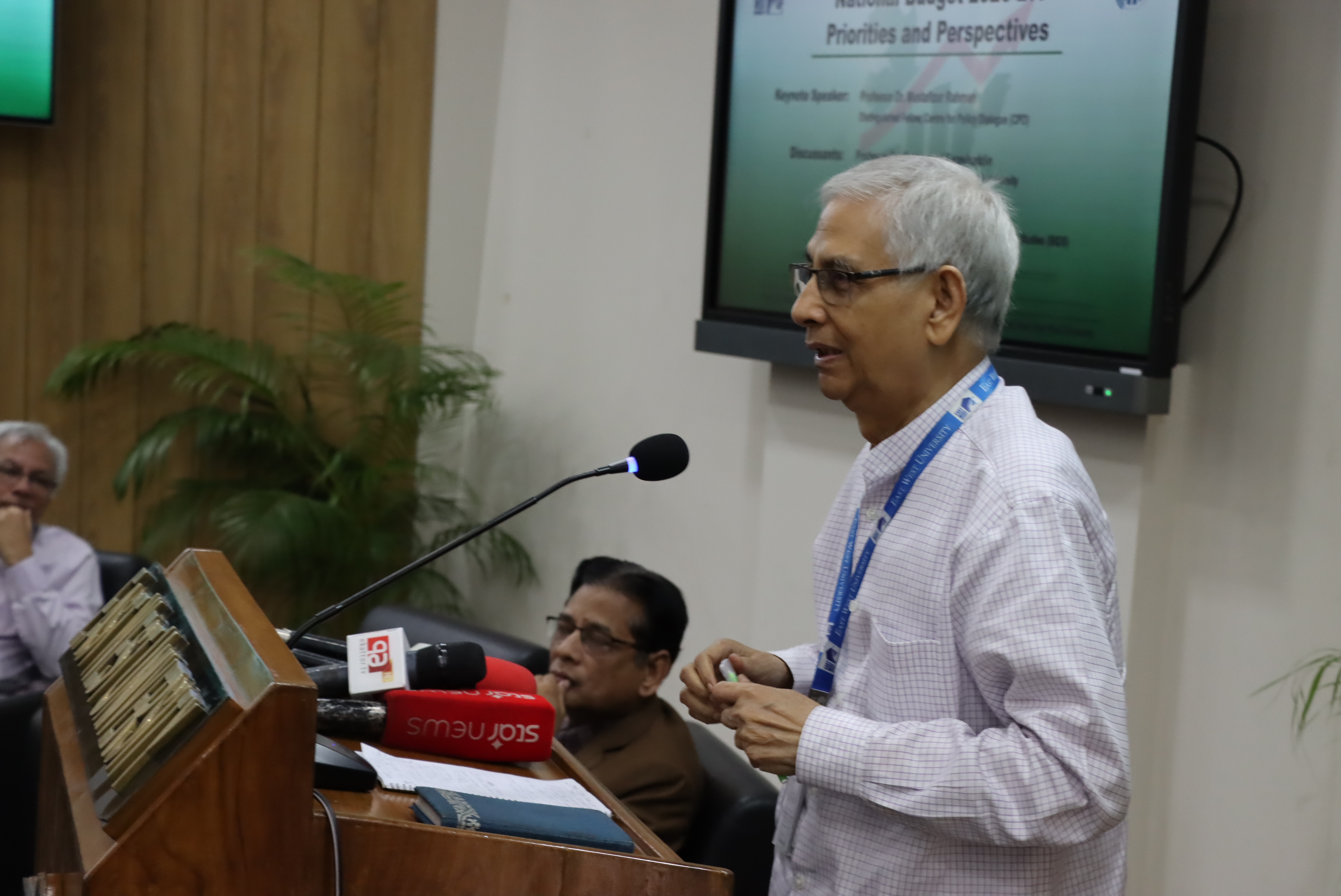
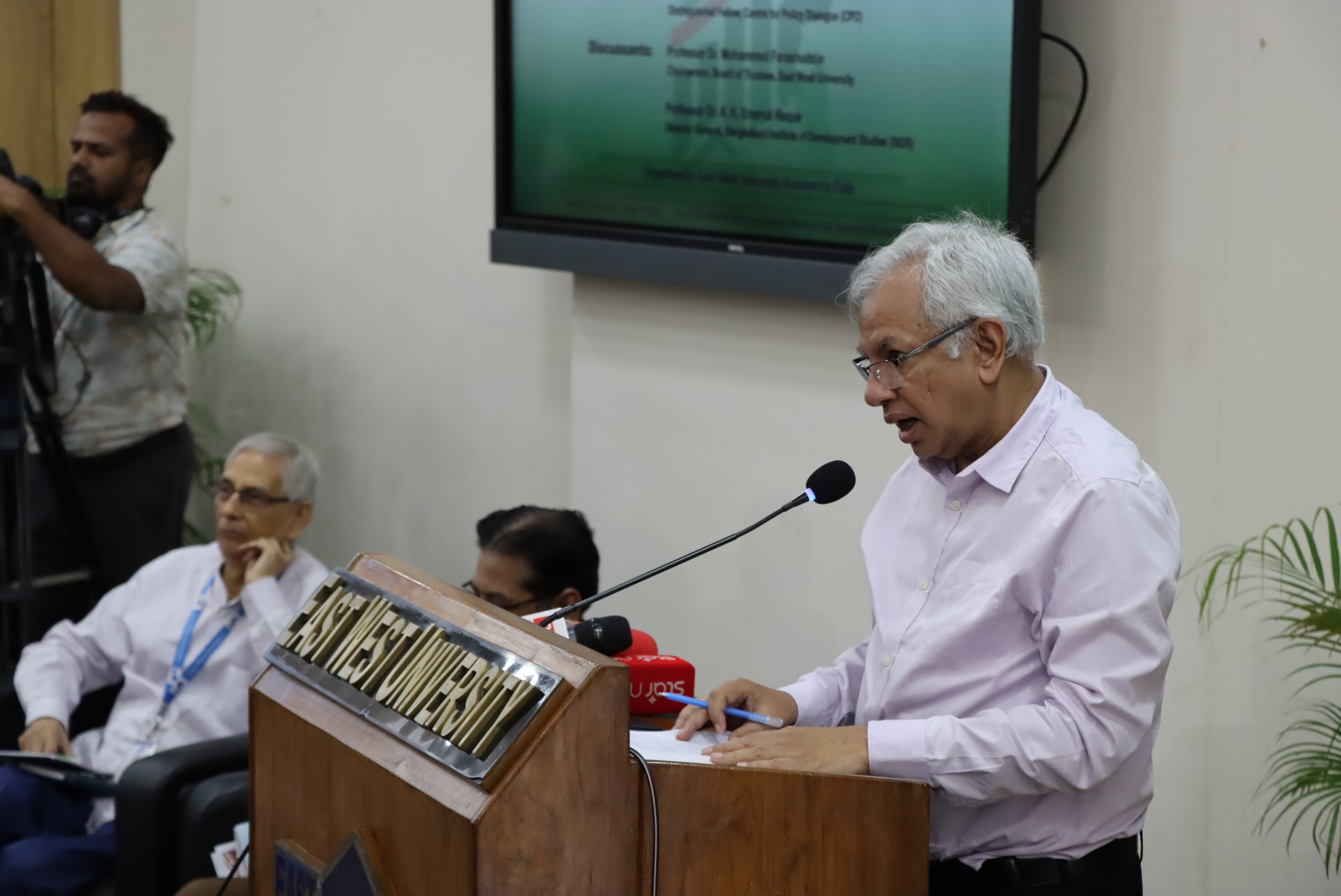
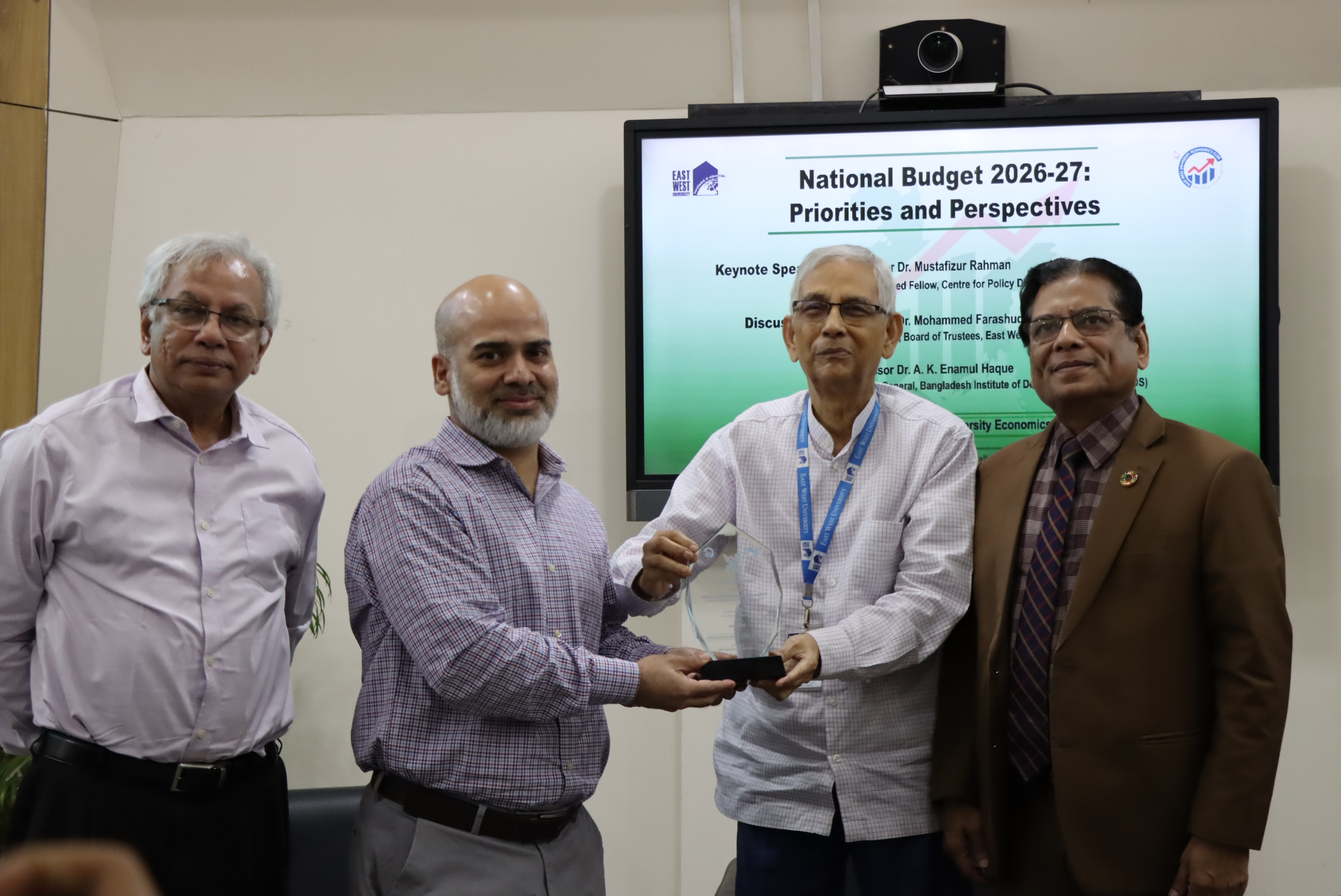
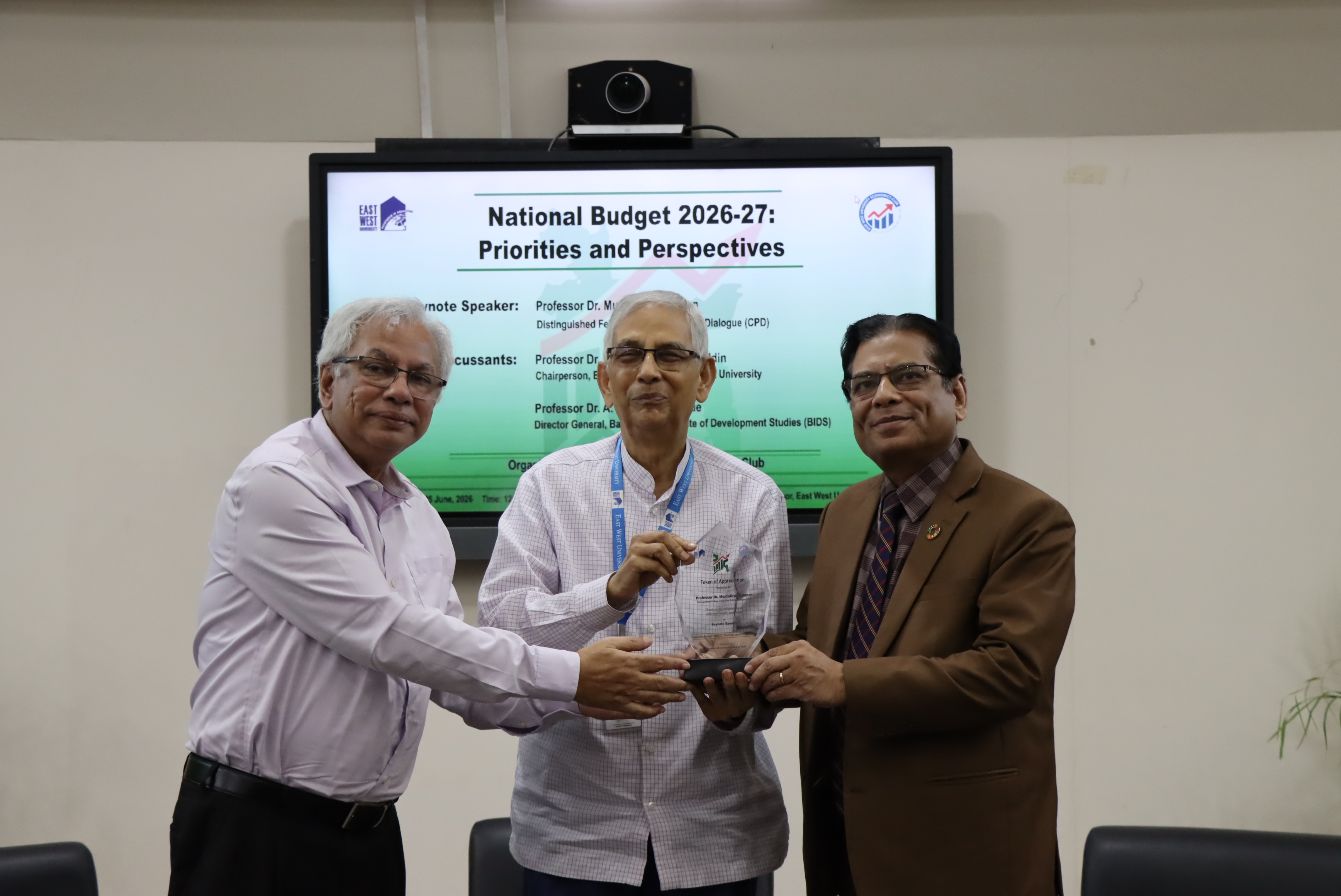
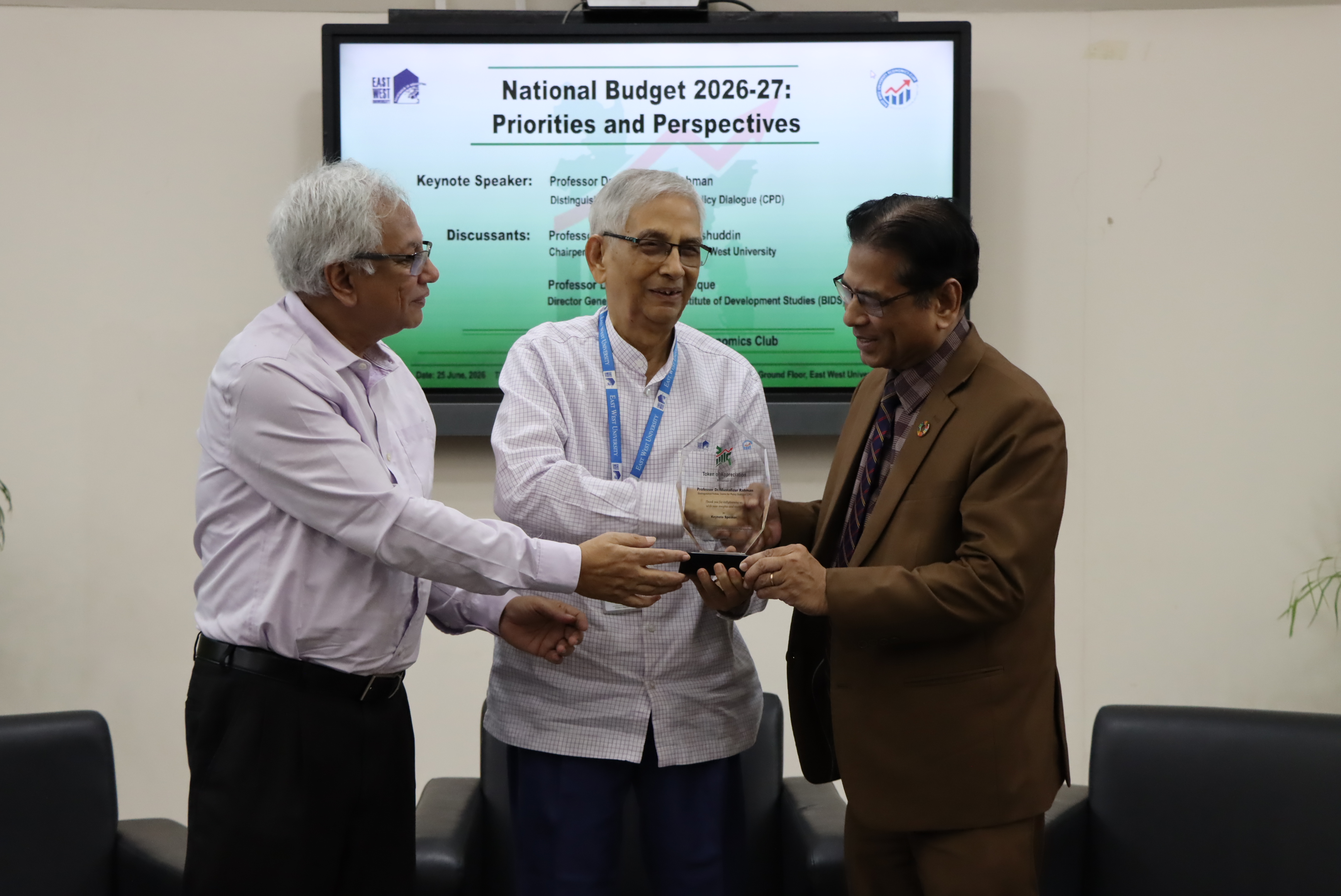
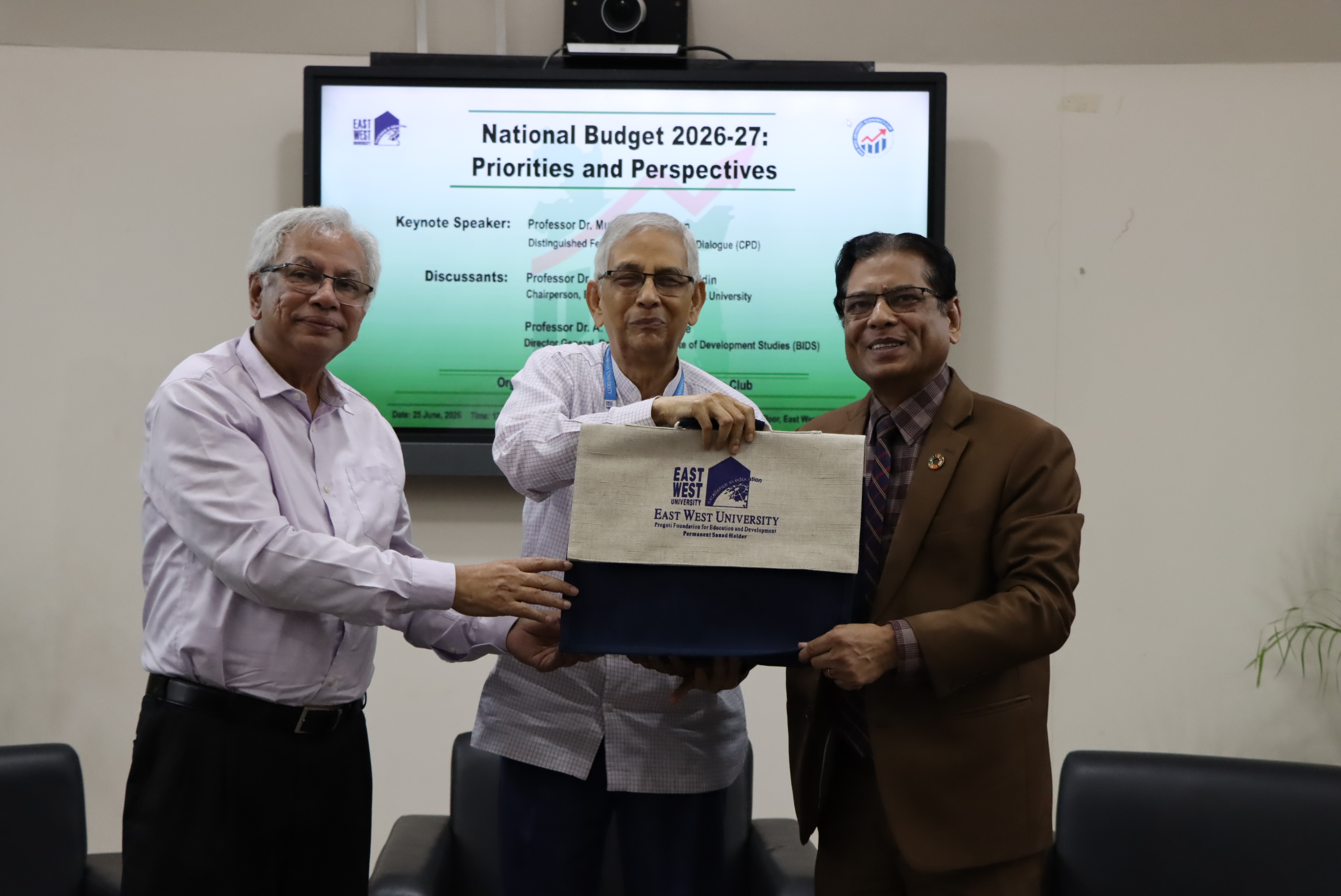
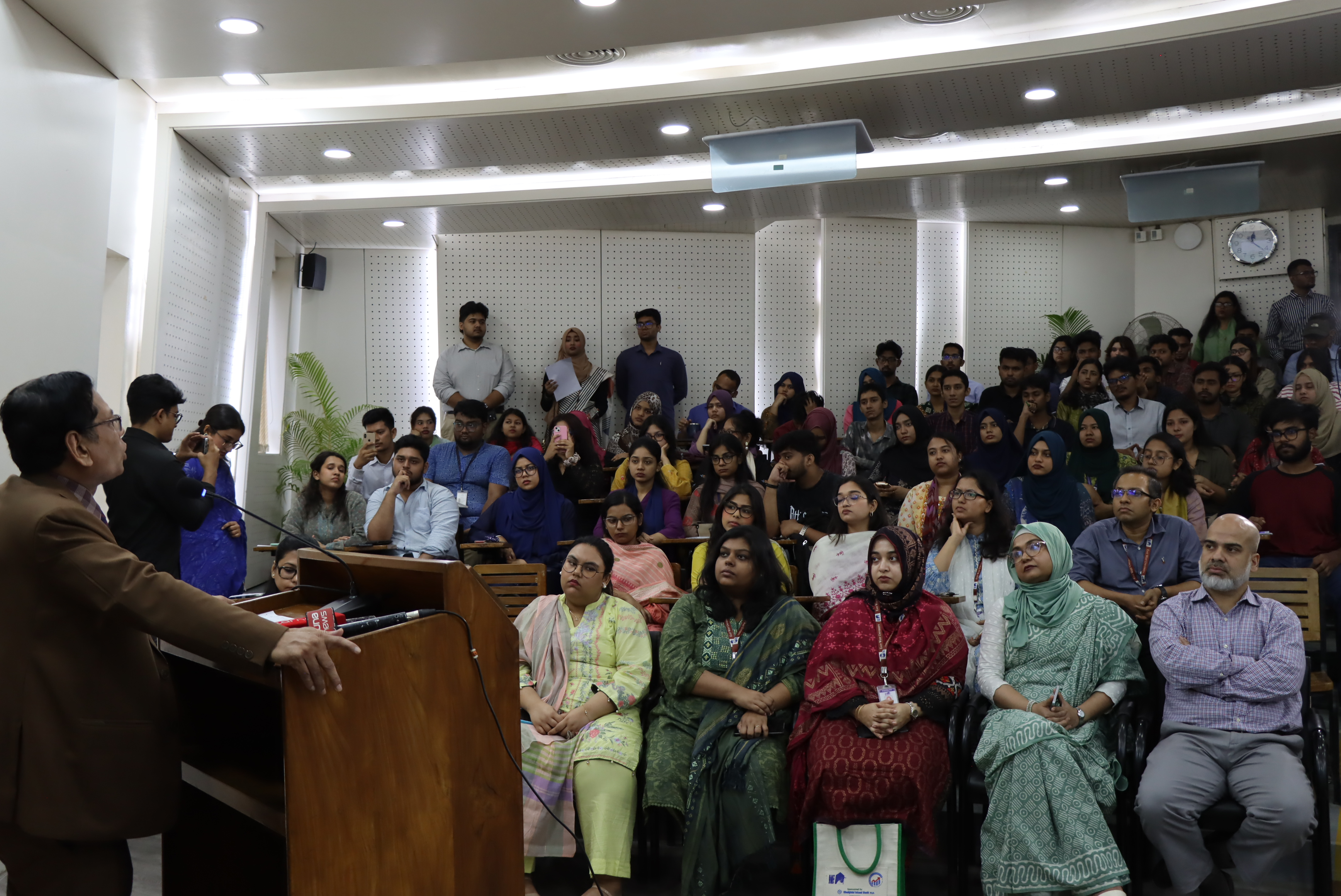
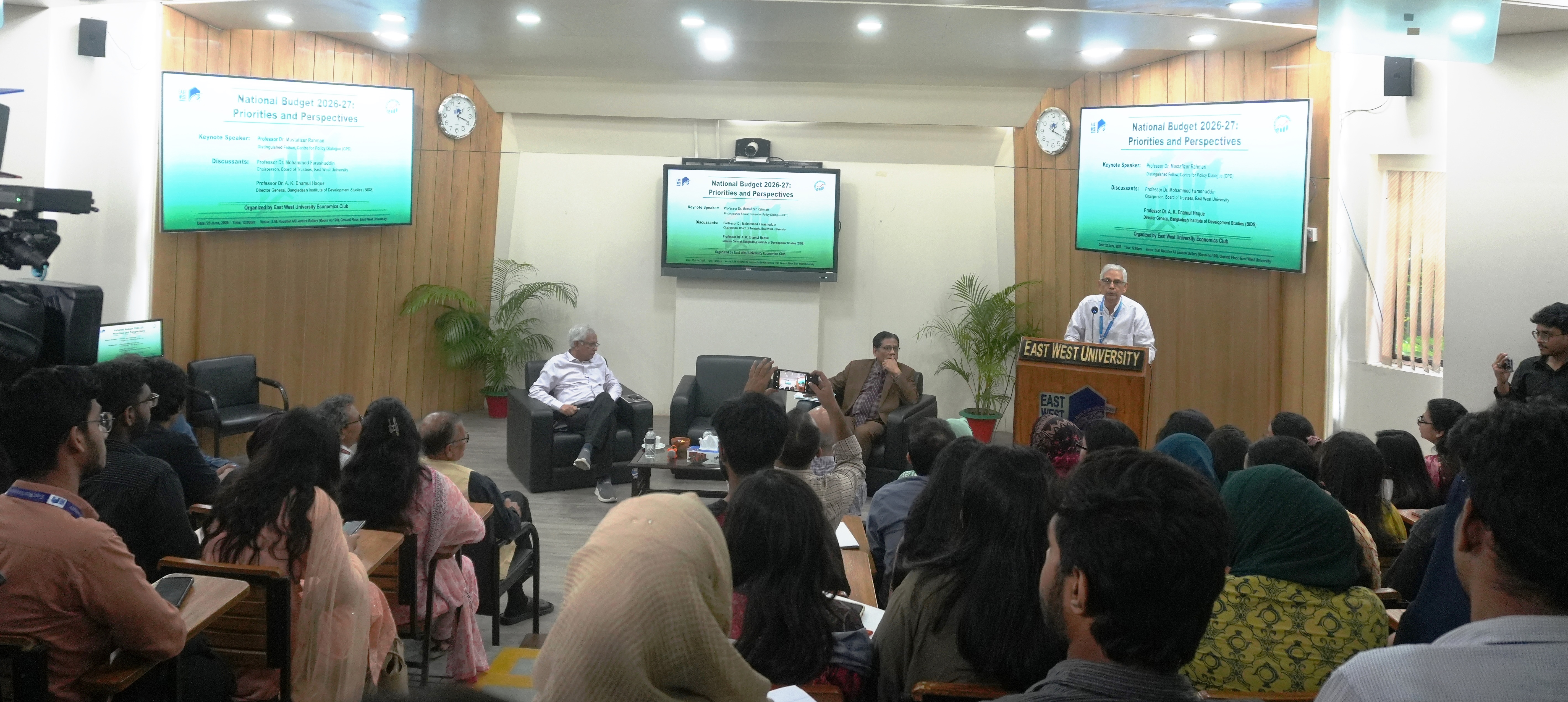
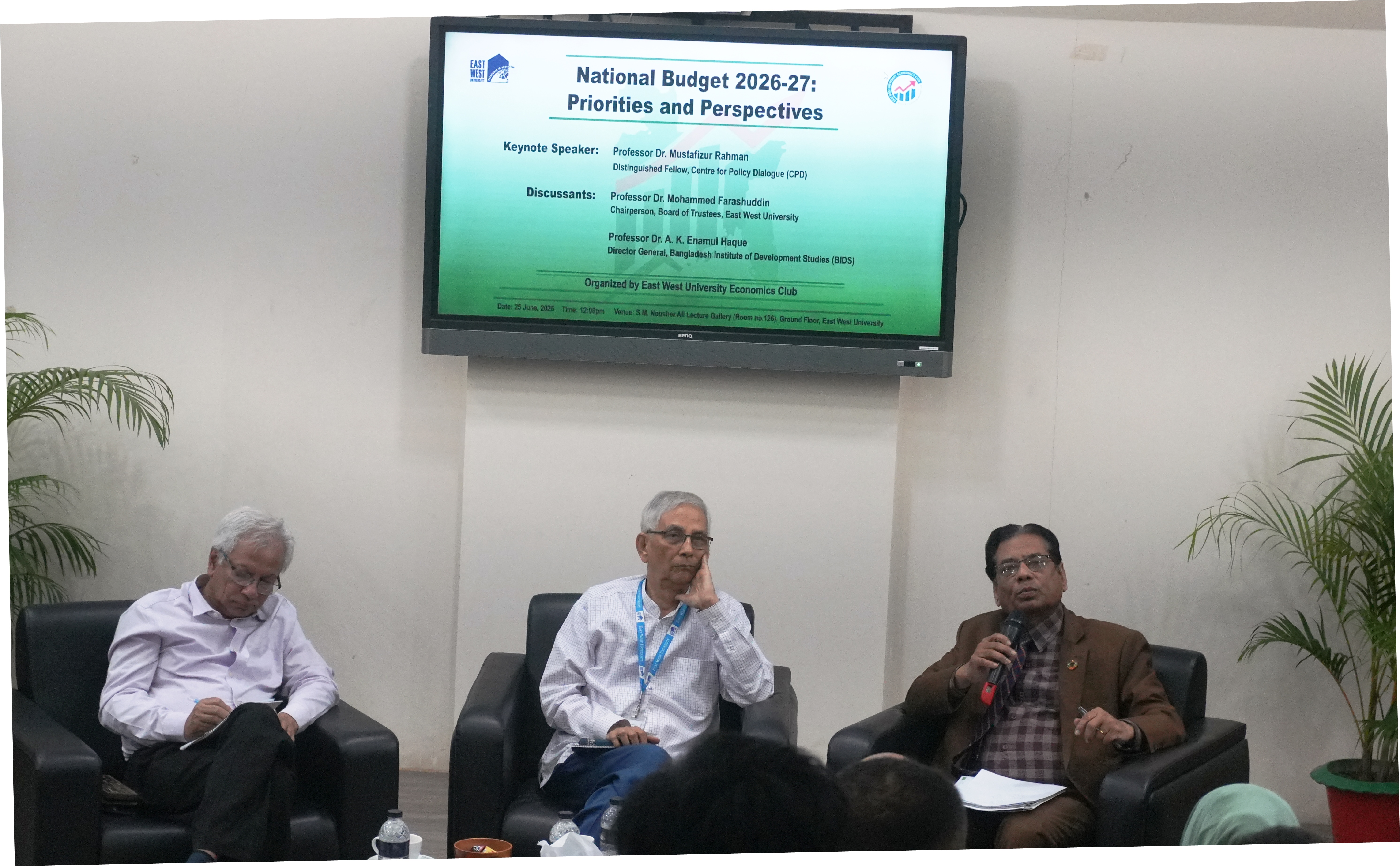
The East West University Economics Club organized a seminar titled "National Budget 2026–2027: Priorities and Perspectives," on 25 June 2026. The event served as a vital platform for rigorous academic discourse on the country's upcoming fiscal strategies, challenges, and structural requirements.
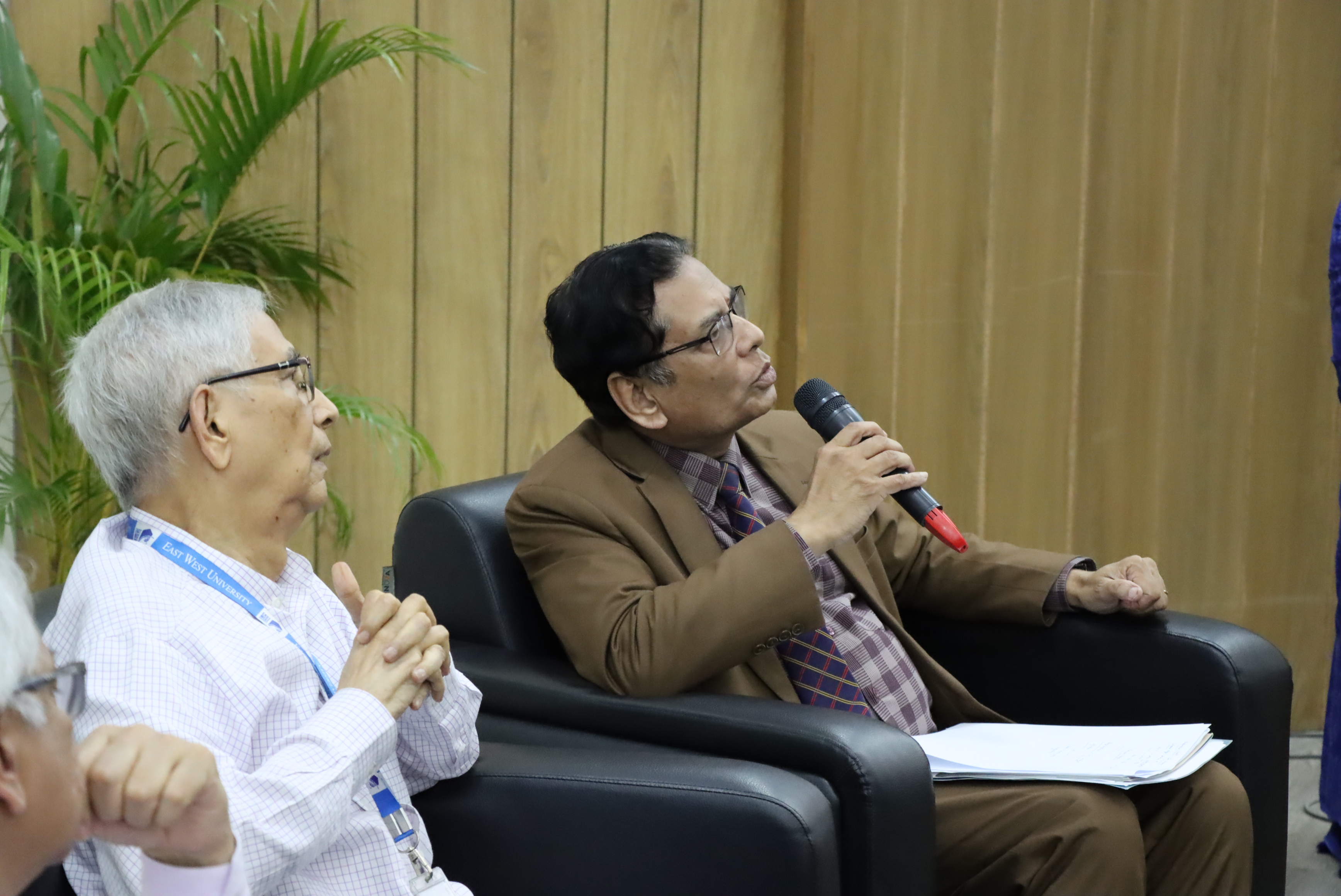
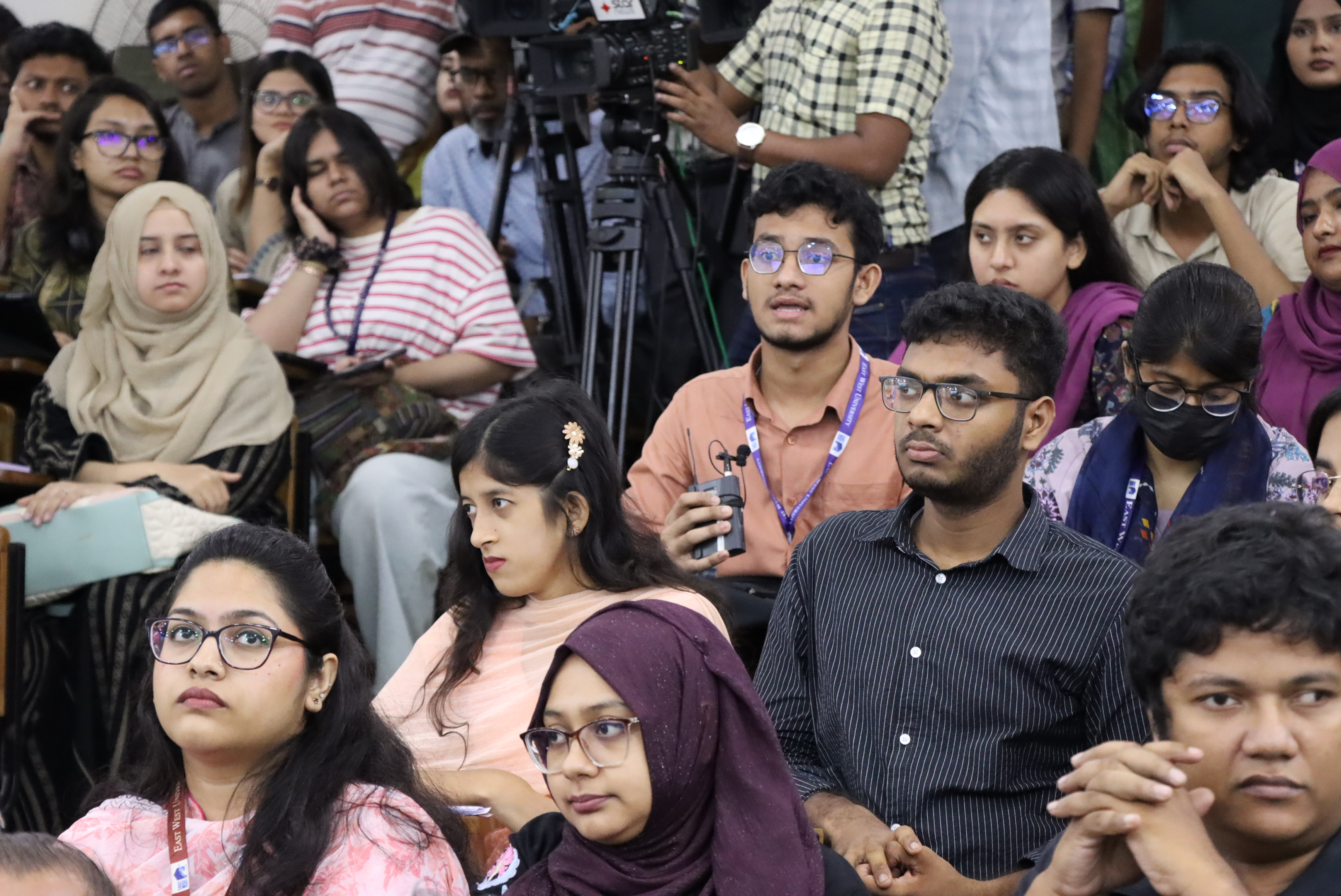
The seminar featured Professor Dr. Mustafizur Rahman, Distinguished Fellow at the Centre for Policy Dialogue (CPD), as the keynote speaker. Joining him as esteemed discussants were Professor Dr. Mohammed Farashuddin, Chairperson of the Board of Trustees at East West University, and Professor Dr. A. K. Enamul Haque, Director General of the Bangladesh Institute of Development Studies (BIDS). The event drew a large audience, including faculty members and students from the Department of Economics, as well as participants from various other disciplines across the university.
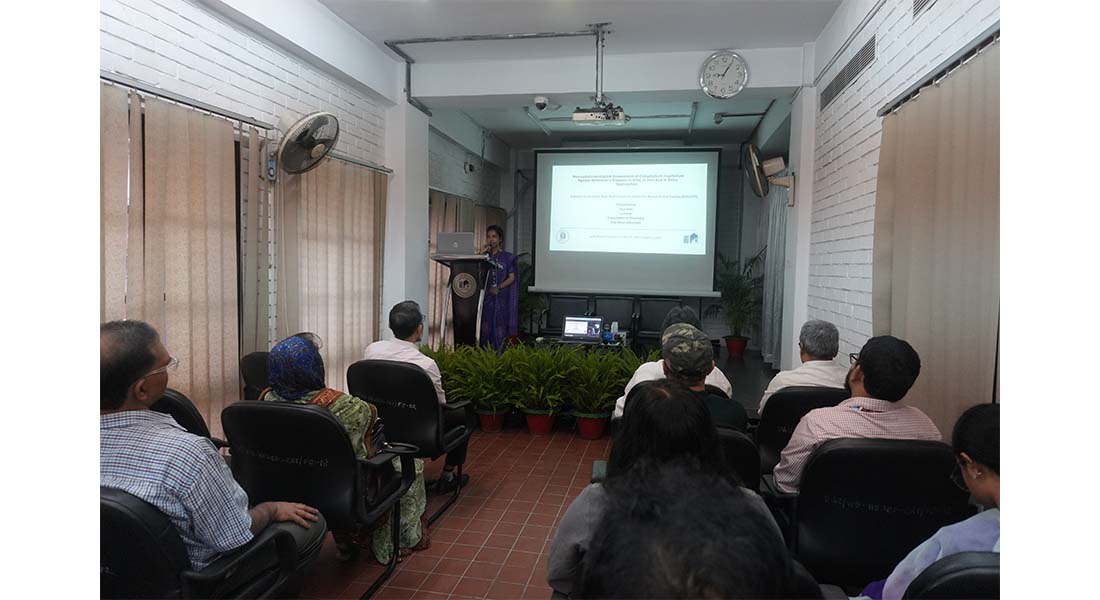
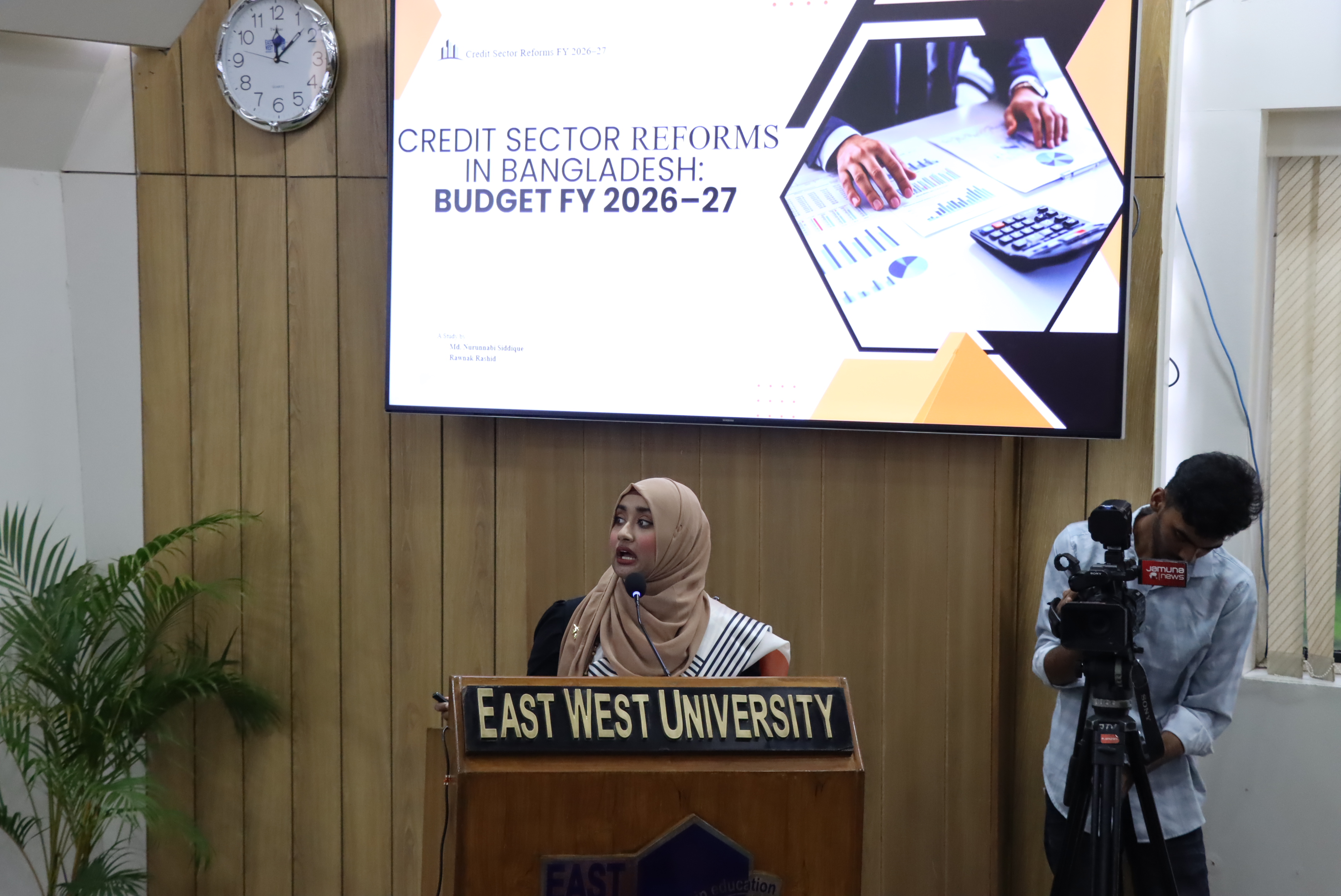
A core highlight of the seminar was the active participation of East West University students, who presented detailed analyses and critical policy questions on key aspects of the FY2026–27 national budget. The student presentations were divided into three focused segments: Nijhum Sardar, Raadia Hassan, and Ahmed Fairuz Sabiha examined "Taxation & Deficit Analysis"; Rawnak Rashid and Nurunnabi Siddique presented "Credit Sector Reforms in Bangladesh: Budget 2026–2027"; and Anindo Muntasir Slogan delivered a presentation titled "Shifting Paradigms: Analysing the Education Budget for FY2026–2027." Following these presentations, Professor Dr. Mustafizur Rahman directly addressed the issues raised by the young presenters, offering expert insights and crucial policy perspectives on each topic.
During the main panel, the keynote speaker and discussants deeply evaluated the proposed budget's priorities and its broader implications for the national economy. The experts focused heavily on pressing issues such as macroeconomic stability, fiscal discipline, revenue mobilization, banking sector reforms, investment, education, inflation management, and sustainable economic growth. They underscored that achieving the budget's targets would heavily rely on realistic policy assumptions and robust implementation rather than mere resource allocation. The distinguished speakers collectively emphasized the urgent need for strengthening institutional capacity, implementing structural reforms, improving governance, and ensuring the effective execution of budgetary measures to translate policy objectives into tangible economic outcomes. The seminar concluded with a vibrant, interactive question-and-answer session, allowing students to engage directly with the economists on contemporary economic policy issues.