
East West University Successfully Concludes Teachers’ Training Program on Artificial Intelligence in Higher Education
Jul 23, 2026
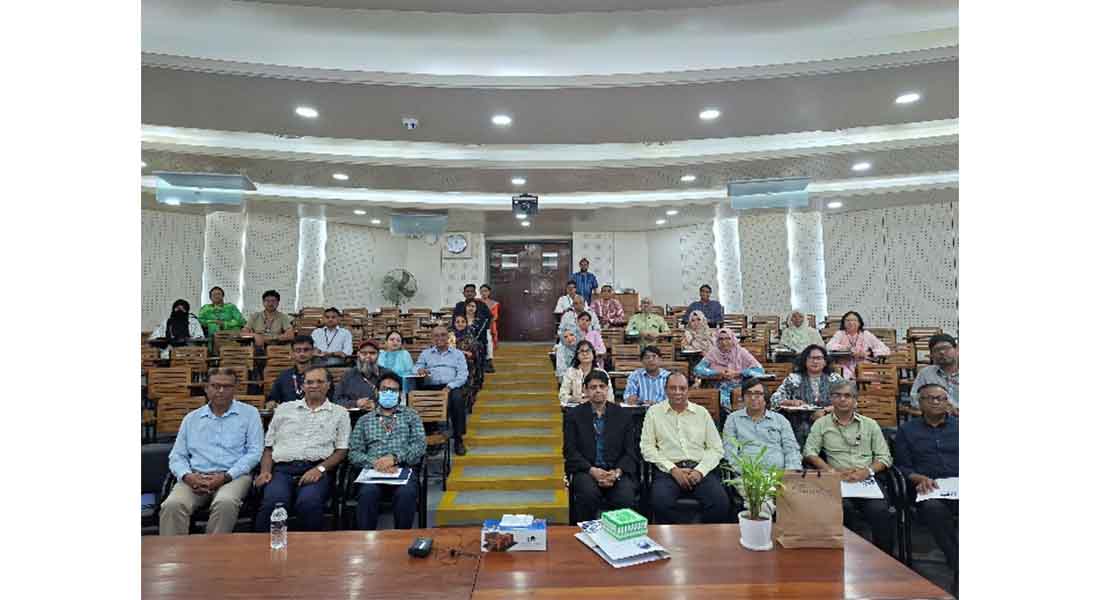
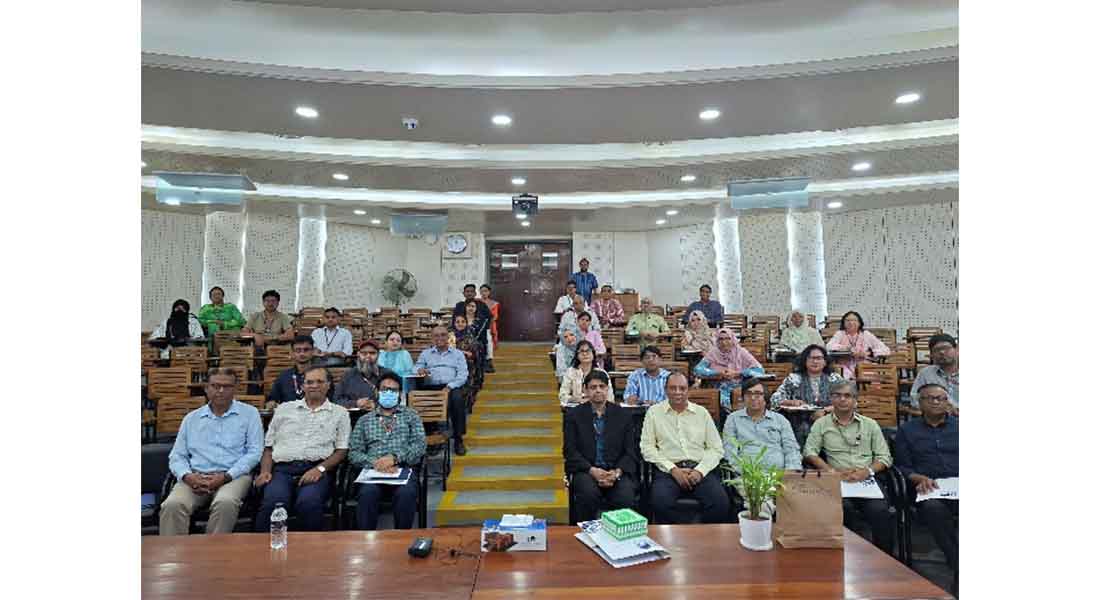
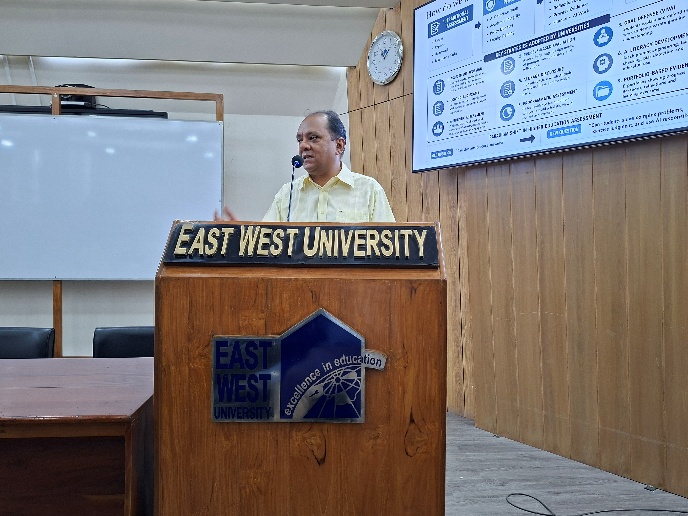
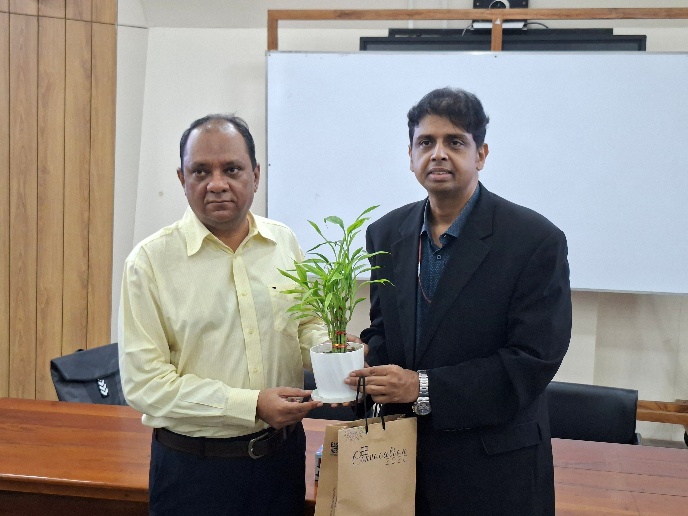
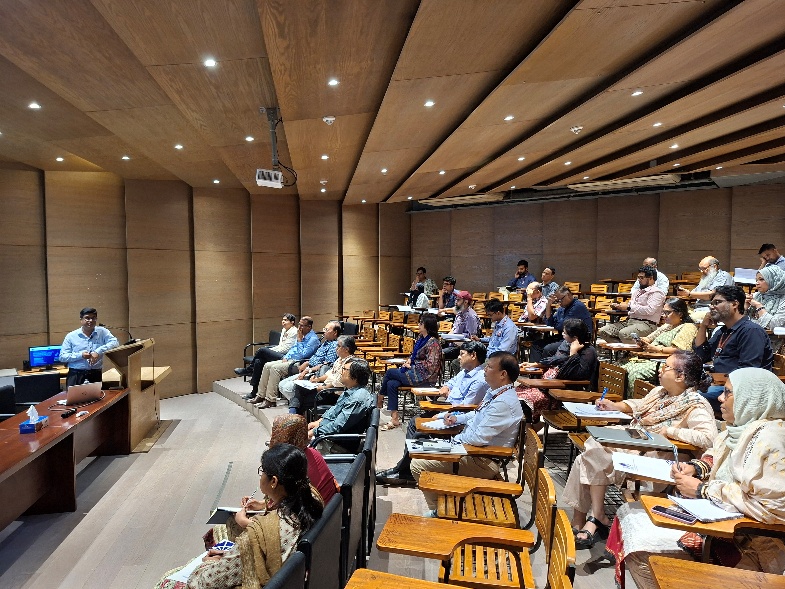
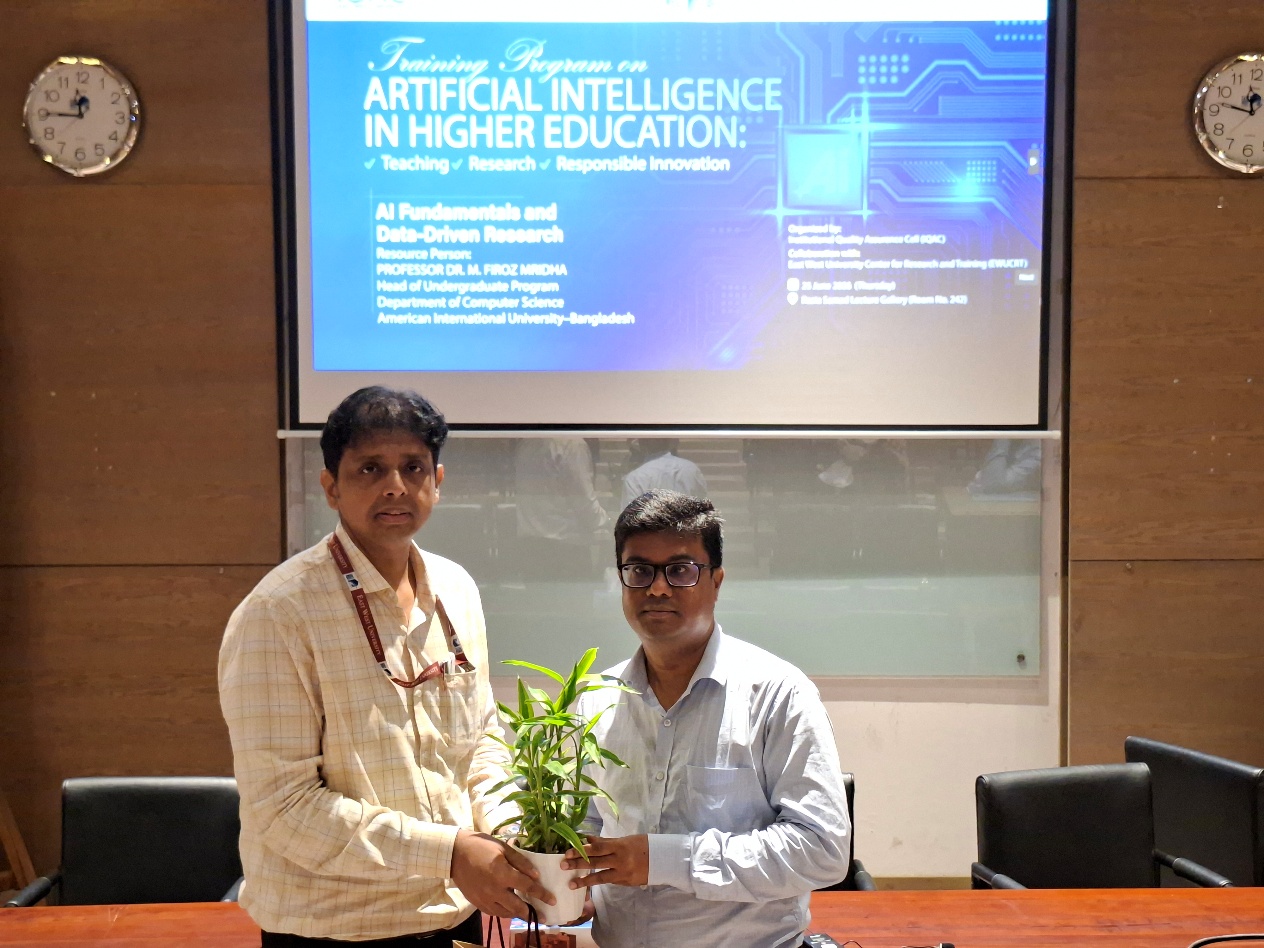
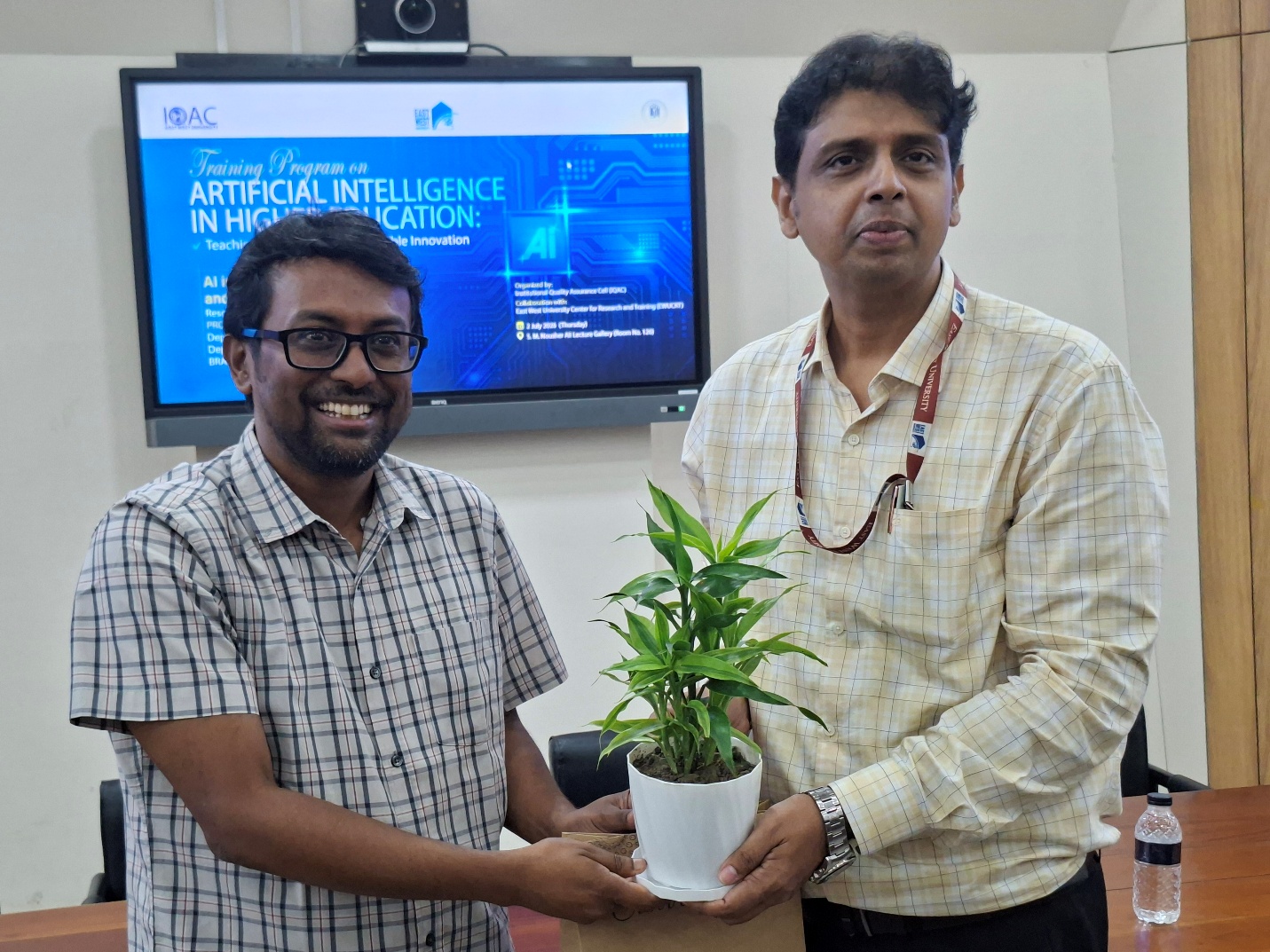
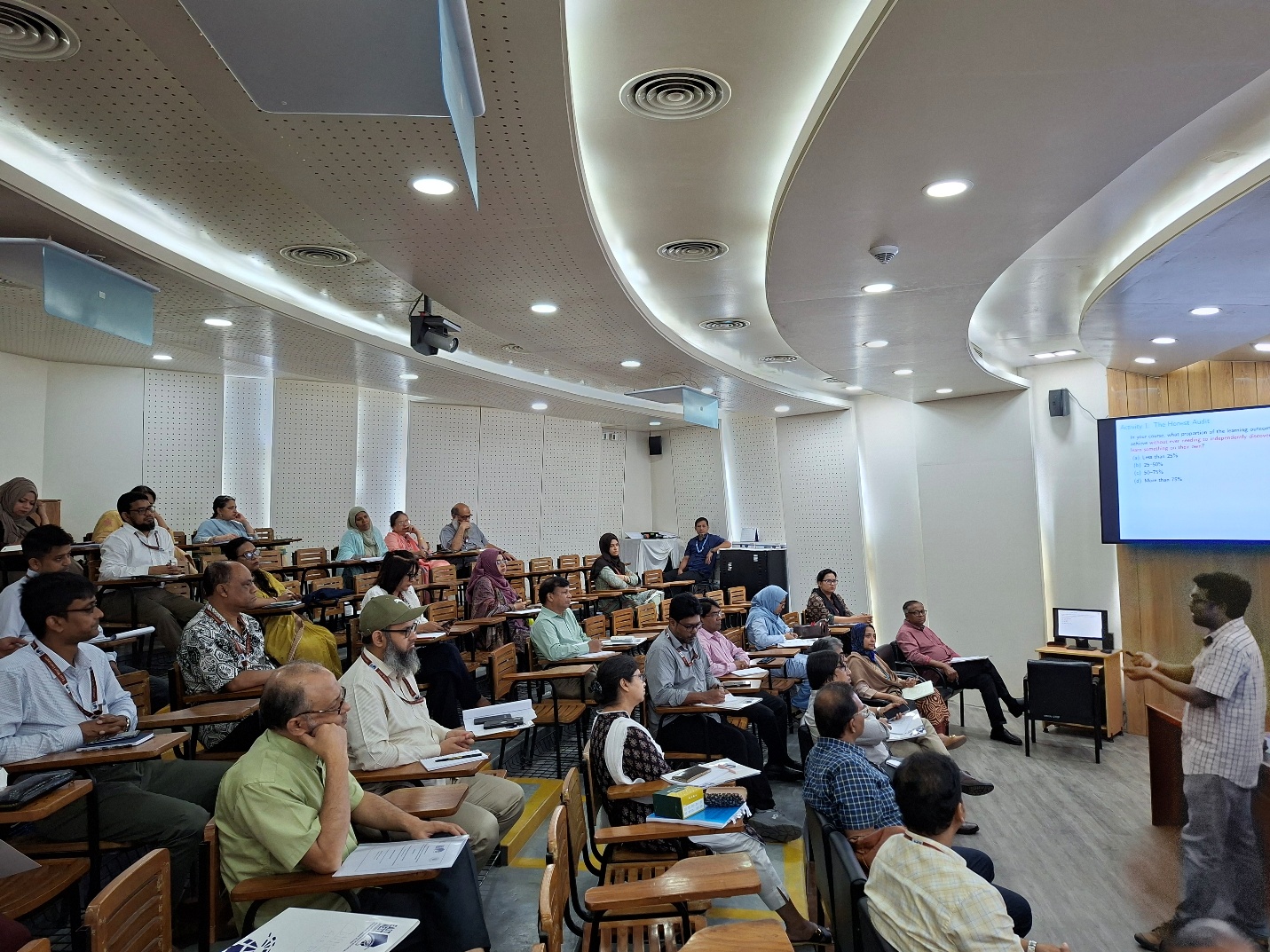
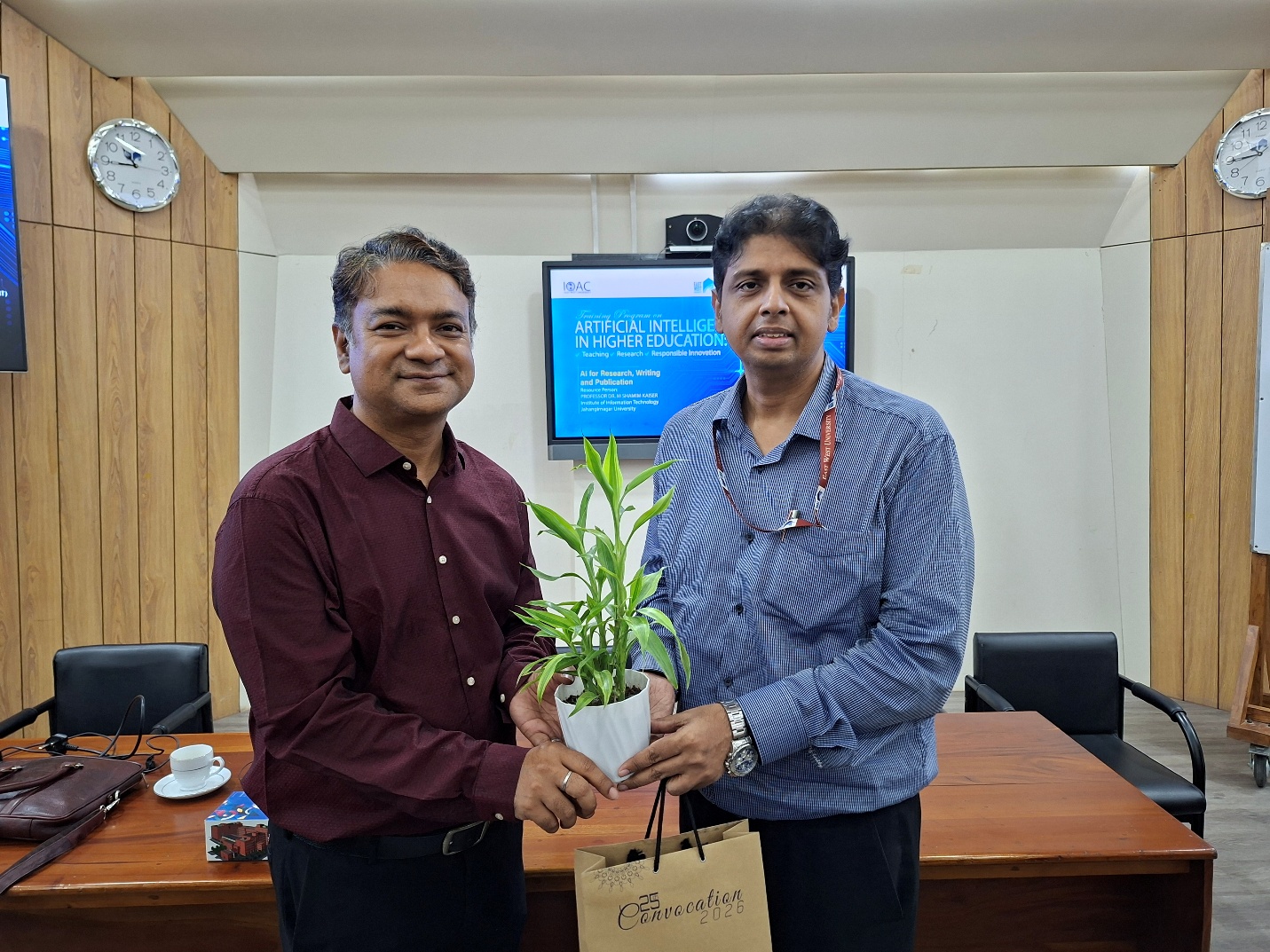
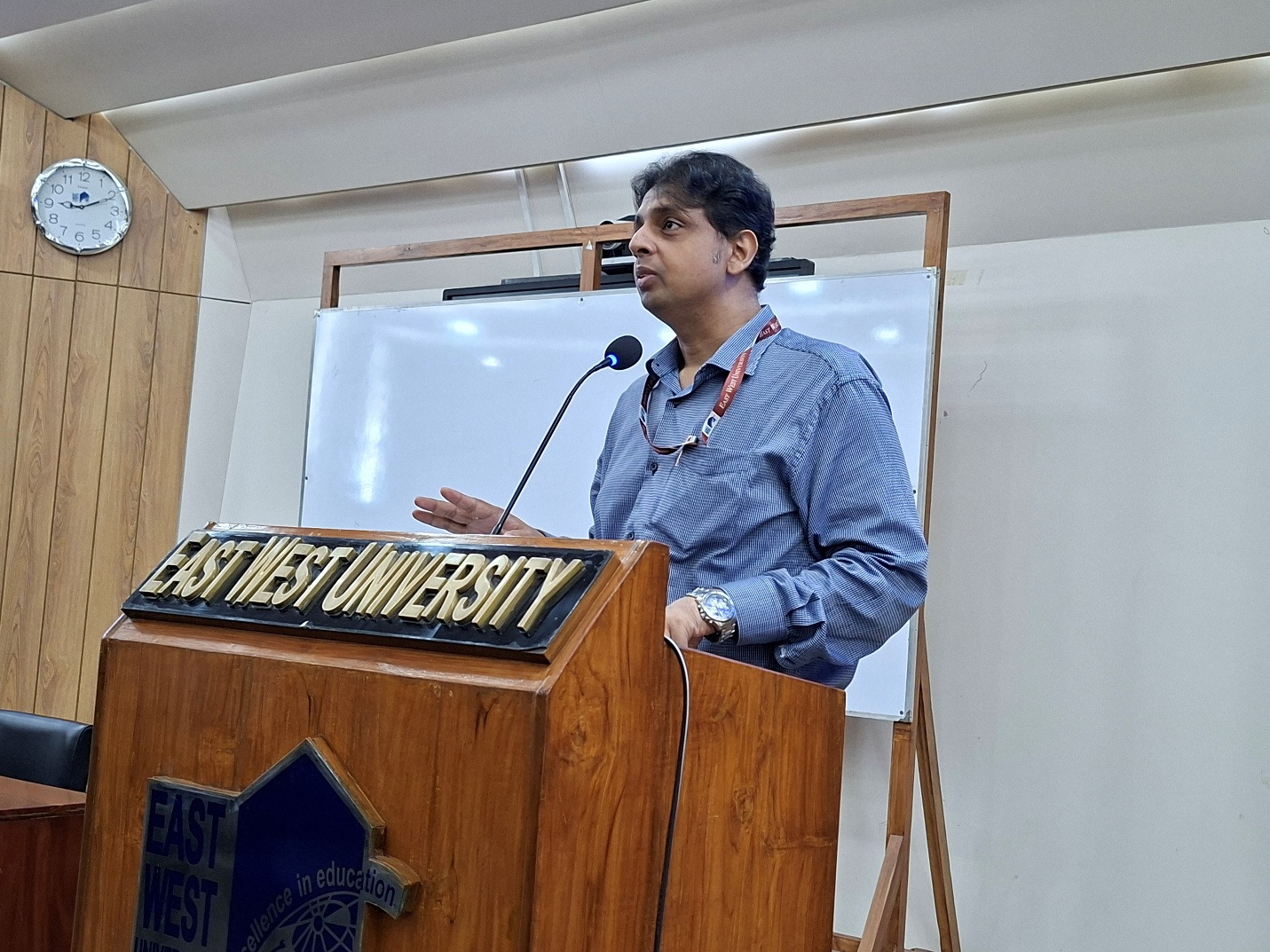
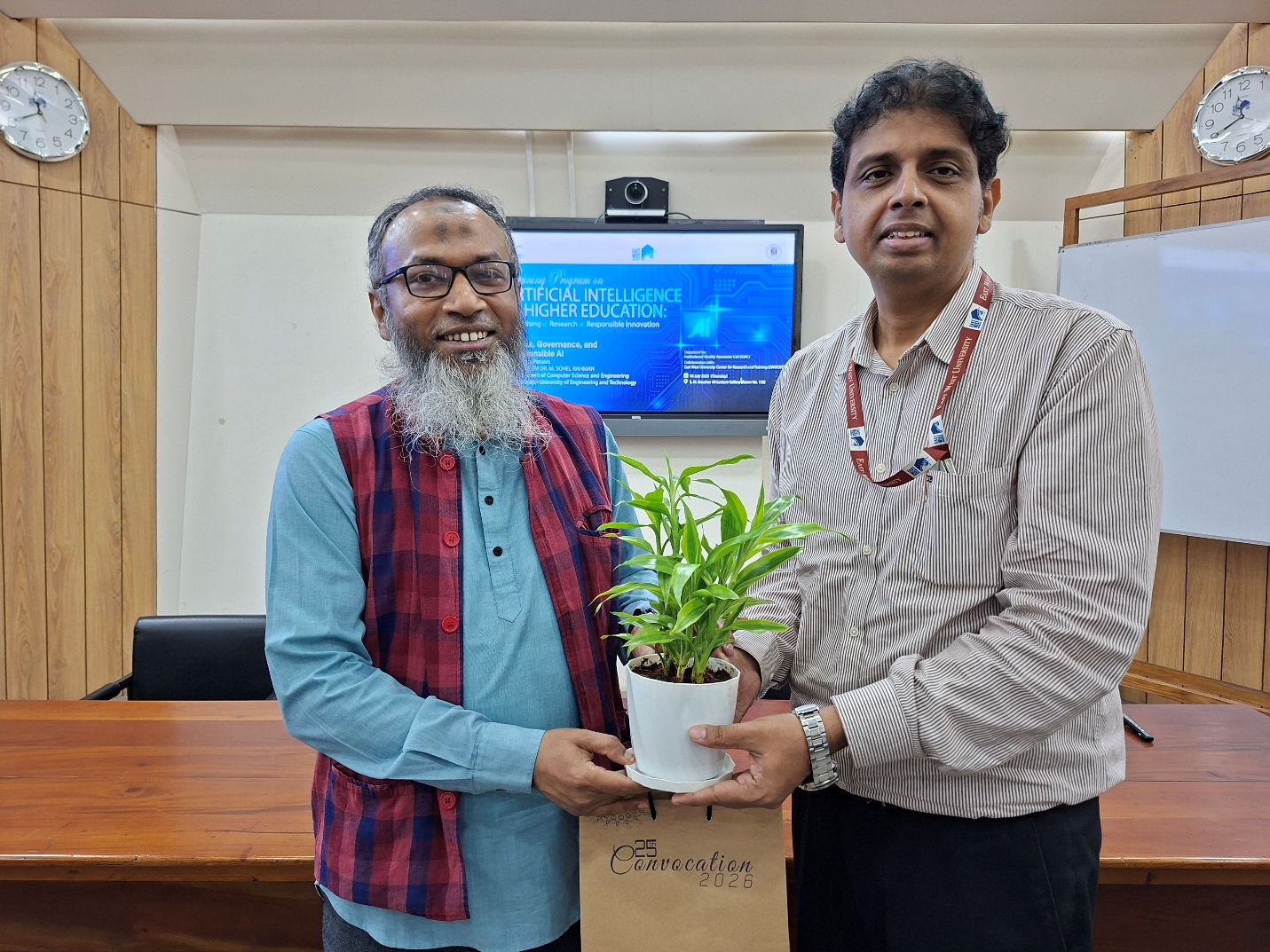
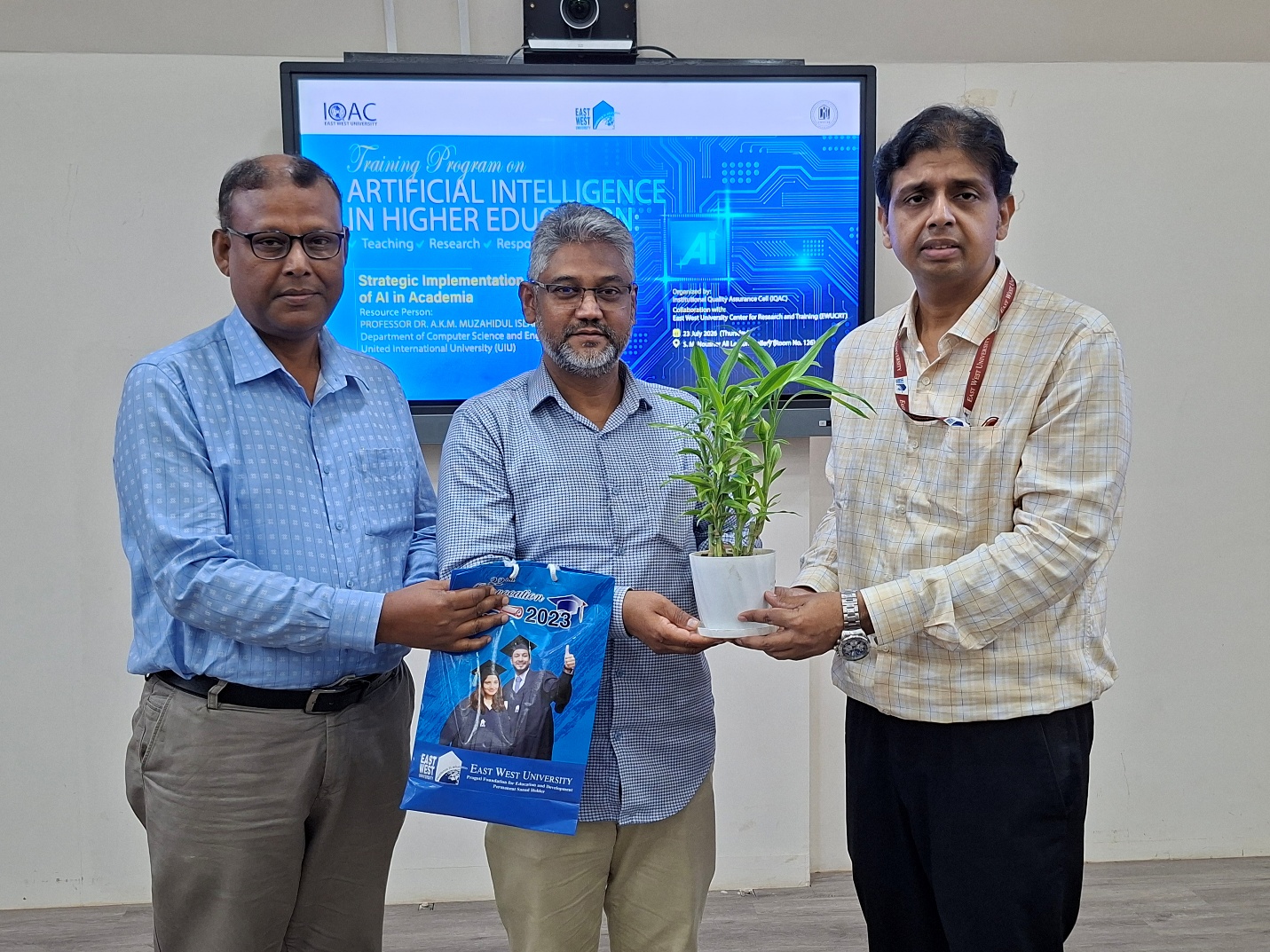
The Institutional Quality Assurance Cell (IQAC), in collaboration with the East West University Center for Research and Training (EWUCRT), successfully concluded a six-weeks long teachers’ training program titled "Artificial Intelligence (AI) in Higher Education: Teaching, Research, and Responsible Innovation" during June–July 2026.
This professional training program is designed to equip academic professionals with both conceptual understanding and practical competencies to responsibly integrate AI into academic workflows. This training program focuses on enhancing teaching effectiveness, research productivity, and scholarly impact while maintaining strong commitments to academic integrity, transparency, ethical responsibility, and sustainable AI practices.
The program featured six comprehensive modules delivered by nationally renowned Professors in artificial intelligence and higher education:
Module 1, titled “AI in Higher Education: Foundations and Global Trends” was held on 18 June 2026. The session was conducted by Professor Dr. Salekul Islam, Department of Electrical and Computer Engineering, North South University. This module provides an overview of artificial intelligence in higher education, global developments in AI-enabled universities, opportunities and challenges, institutional readiness, emerging policies and governance models, and examples from leading international universities.
Module 2, titled “AI Fundamentals and Data-Driven Research” was held on 25 June 2026 and was conducted by Professor Dr. M. Firoz Mridha, Head of the Undergraduate Program, Department of Computer Science, American International University–Bangladesh. This session focused on the core concepts of artificial intelligence, machine learning, Machine Learning, Deep Learning, Generative AI, and Large Language Models, capabilities and limitations of AI systems, data preprocessing and quality considerations, AI-assisted data analysis and visualization, ensuring reliability, reproducibility, and validation in research.
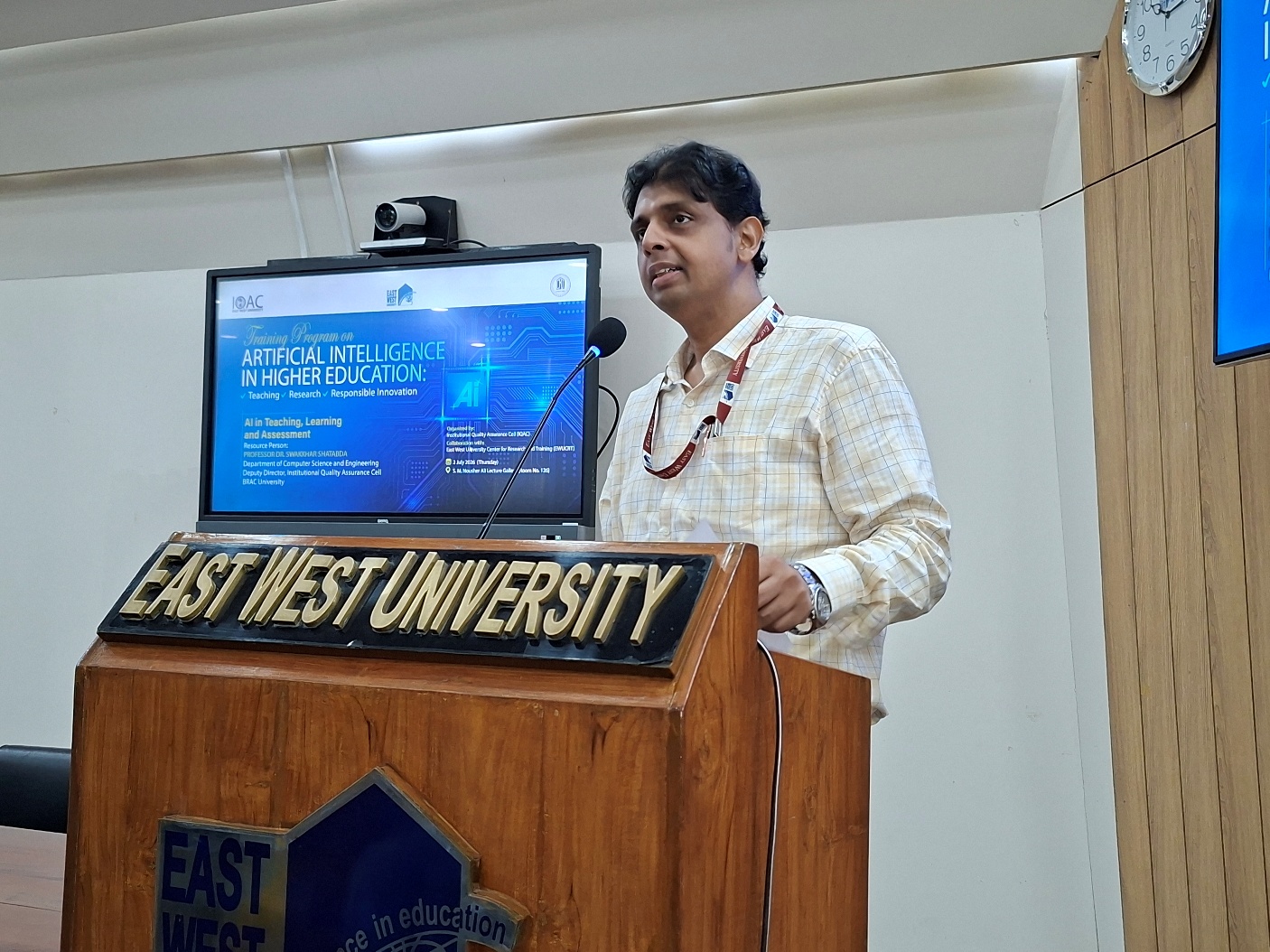
Professor Dr. Swakkhar Shatabda, Department of Computer Science and Engineering and Deputy Director of the Institutional Quality Assurance Cell at BRAC University conducted Module 3, titled “AI in Teaching, Learning, and Assessment” was held on 2 July 2026. This session highlighted the integration of AI into teaching and learning, covering AI-assisted lesson planning, intelligent tutoring systems, adaptive learning environments, AI-supported student engagement tools, curriculum design with AI integration, automated feedback systems, AI-augmented assessment methods, and strategies for maintaining academic integrity in AI-enabled classrooms.
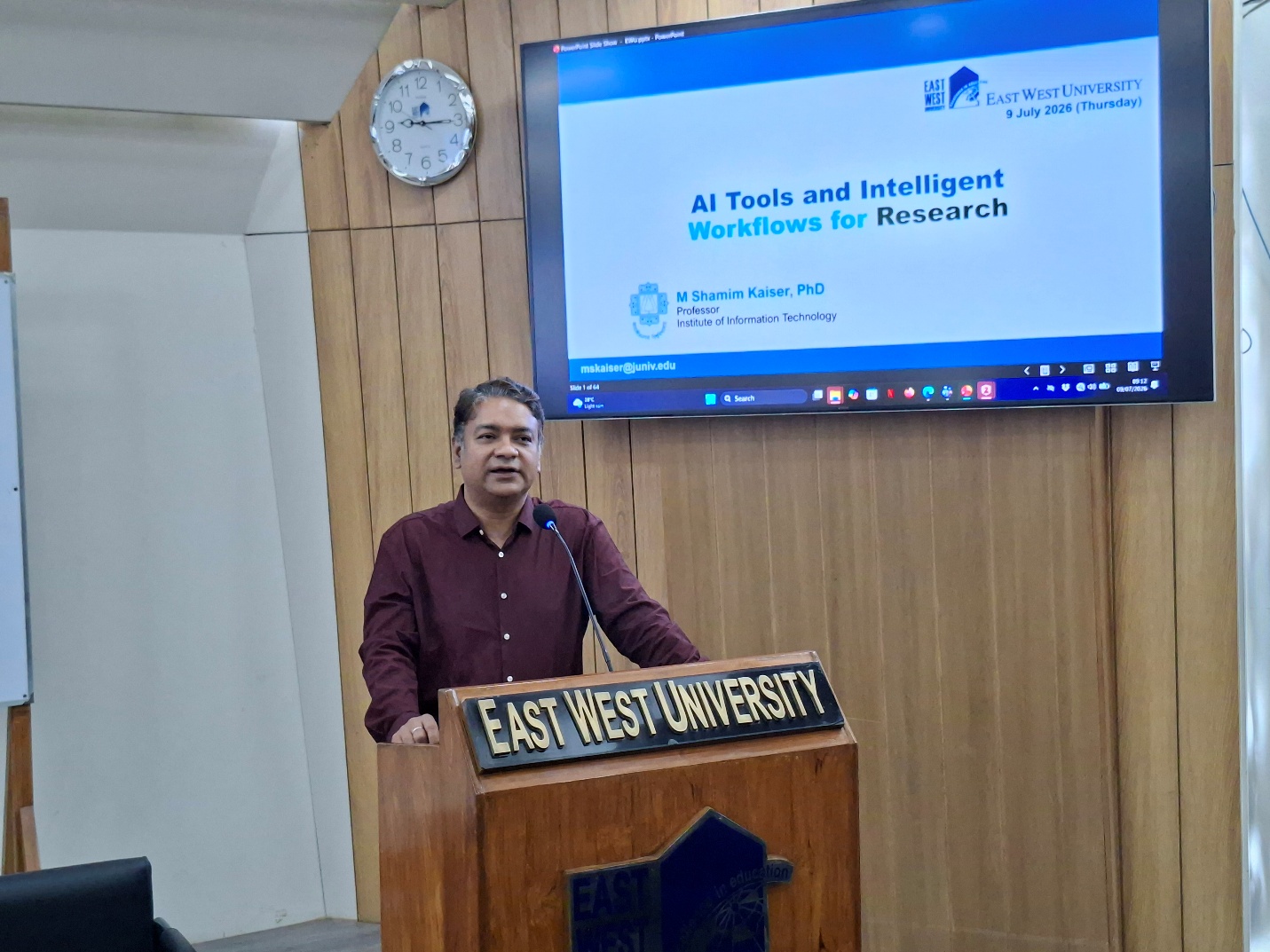
Professor Dr. M. Shamim Kaiser of the Institute of Information Technology, Jahangirnagar University conducted Module 4, titled “AI for Research, Writing, and Publication,” was held on 9 July 2026. He demonstrated the effective use of AI in research and scholarly publishing, covering AI-assisted literature review and research discovery, hypothesis development and research design, manuscript drafting and language refinement, citation and reference management, transparency in AI-assisted writing, responsible publication practices, and compliance with journal requirements.
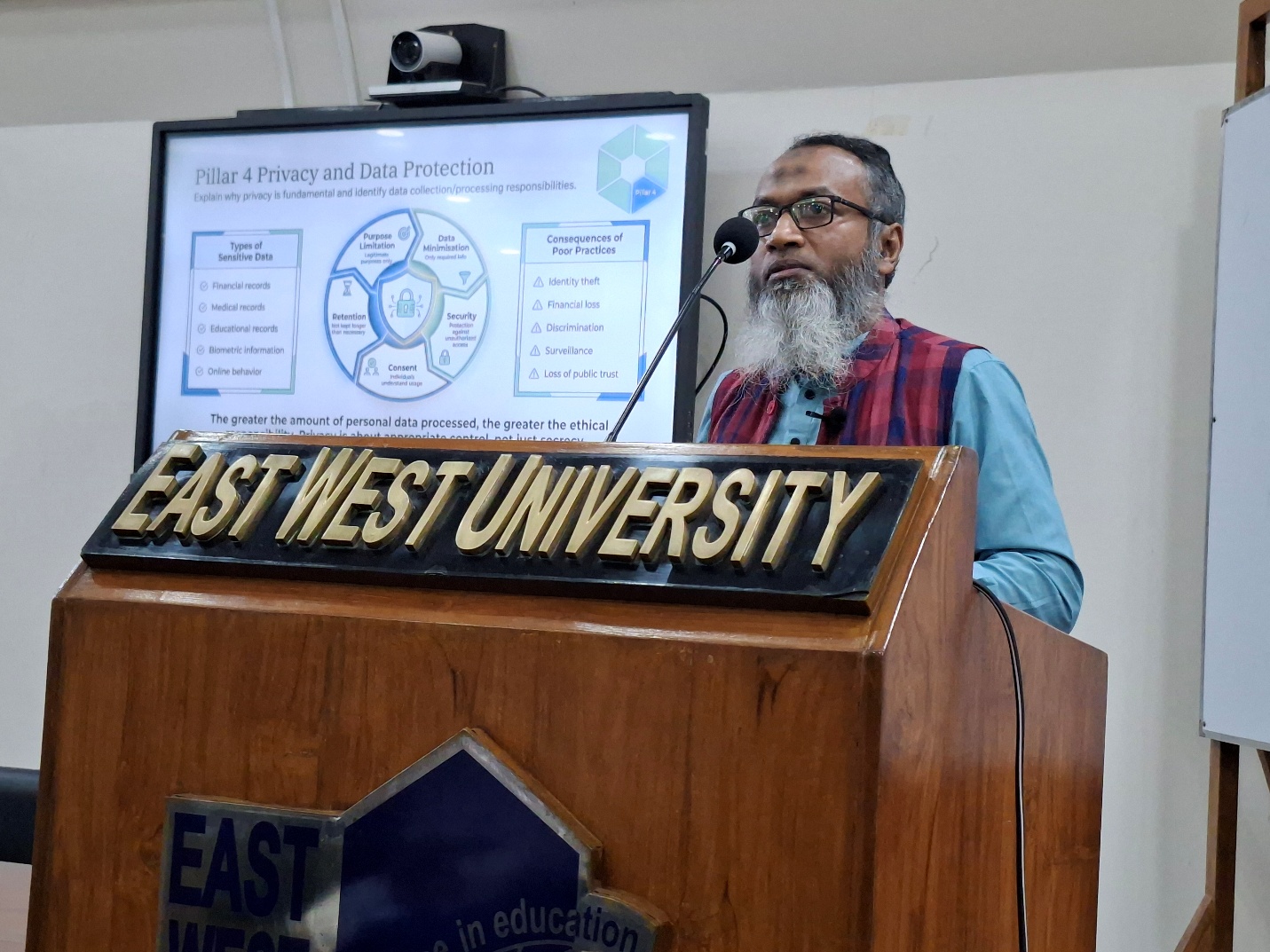
Module 5, titled “Ethics, Governance, and Responsible AI” was held on 16 July 2026 and was facilitated by Professor Dr. M. Sohel Rahman of the Department of Computer Science and Engineering, Bangladesh University of Engineering and Technology . The session explored ethical challenges in AI use, bias detection and mitigation, fairness and inclusivity, transparency and accountability, data privacy and intellectual property considerations, sustainability of AI technologies, AI governance frameworks, and institutional policy development.
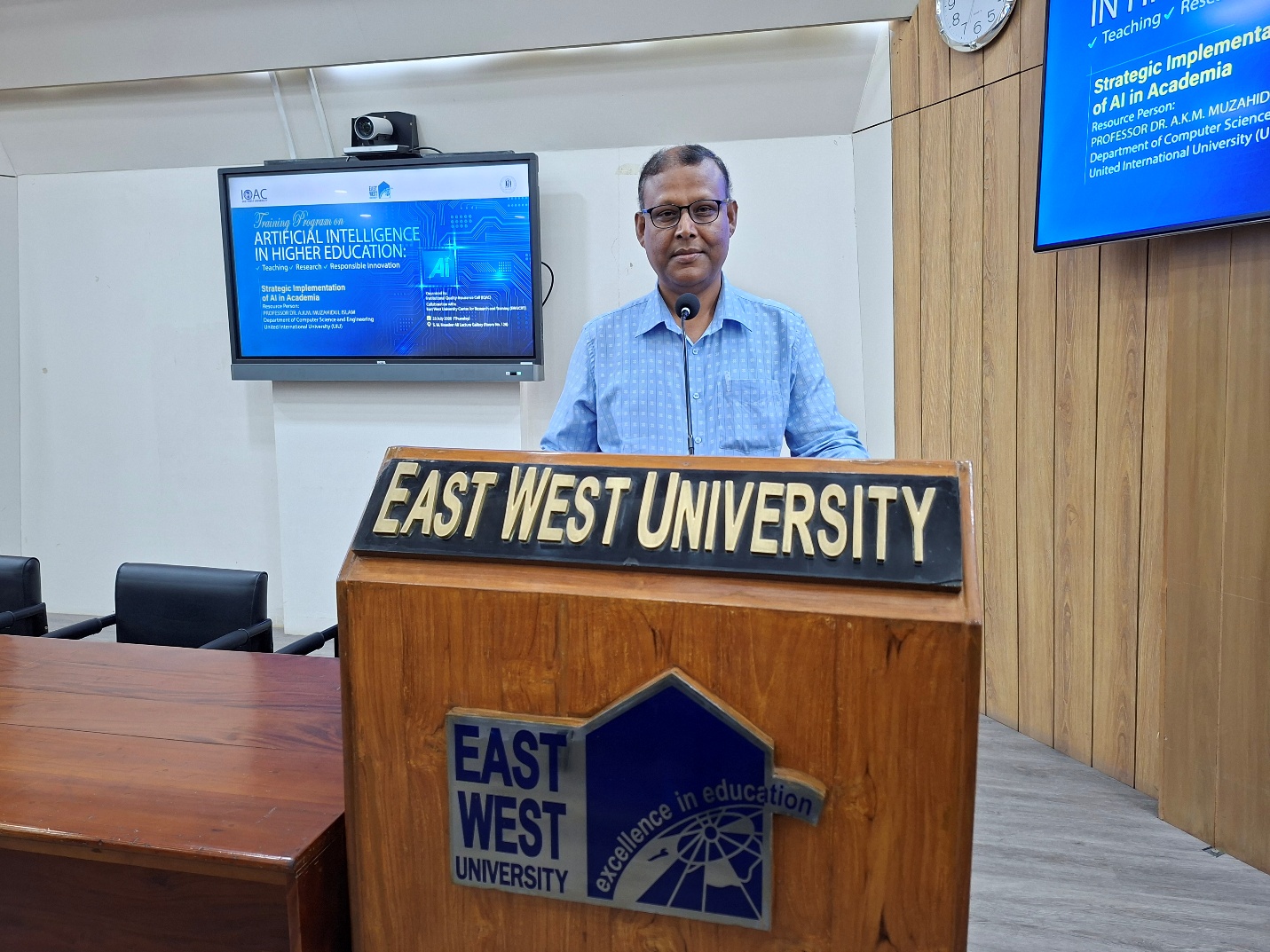
Module 6, titled “Strategic Implementation of AI in Academia” was held on 23 July 2026 and was facilitated by Professor Dr. A.K.M. Muzahidul Islam, Department of Computer Science and Engineering and Director of the Institute of Research, Innovation, and Incubation Center at United International University. As the concluding session of the program, it emphasized the designing a practical AI integration strategy for teaching or research, aligning AI adoption with institutional goals, risk assessment, and impact evaluation, development of an AI-enabled academic initiative, participant presentations and peer feedback, roadmap for responsible AI adoption.
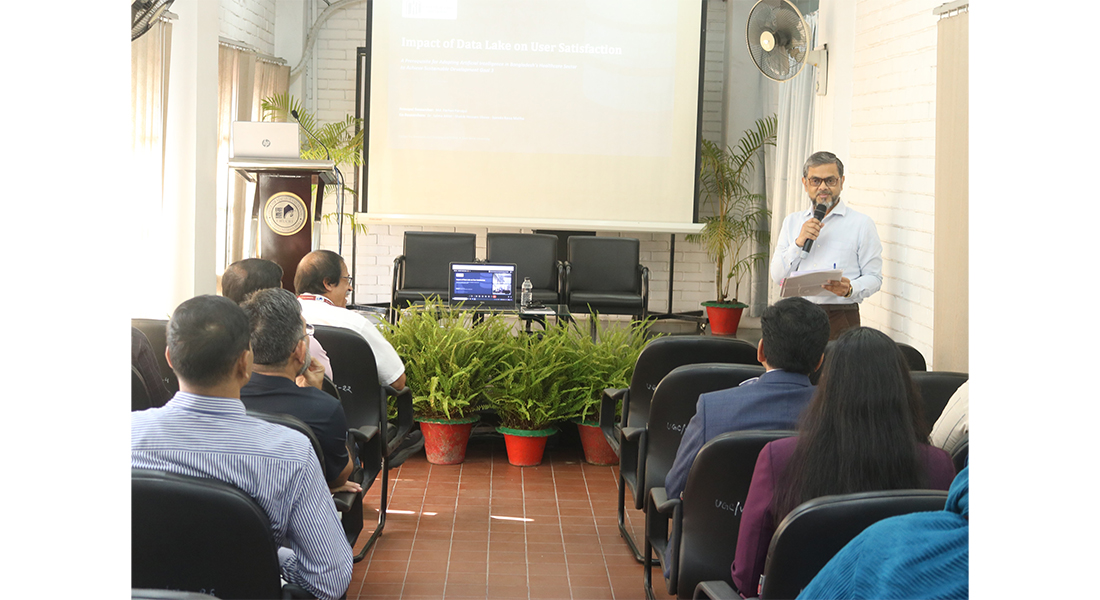
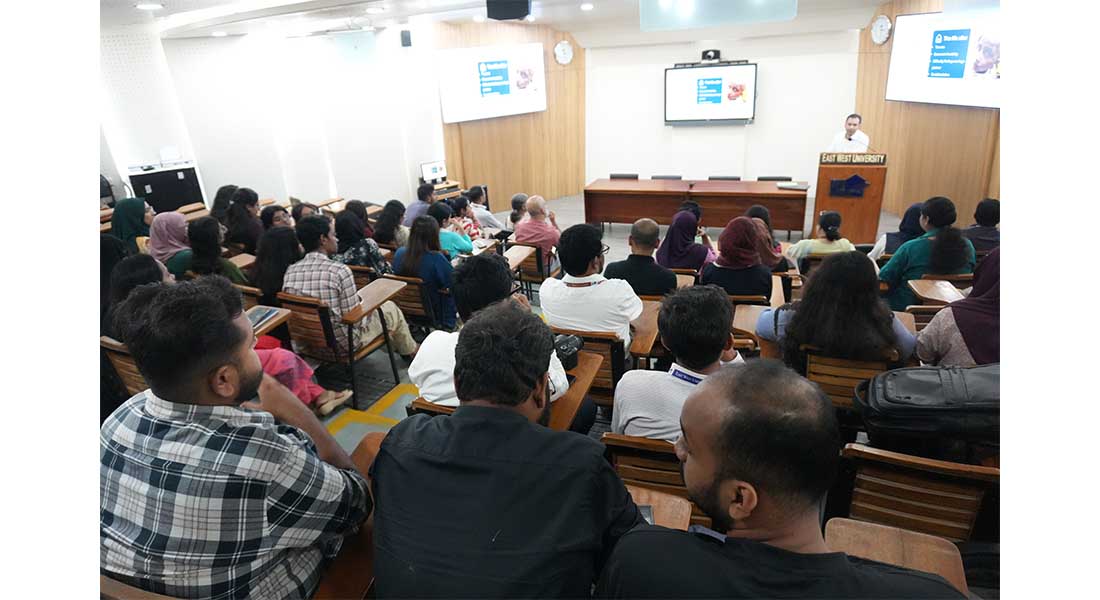
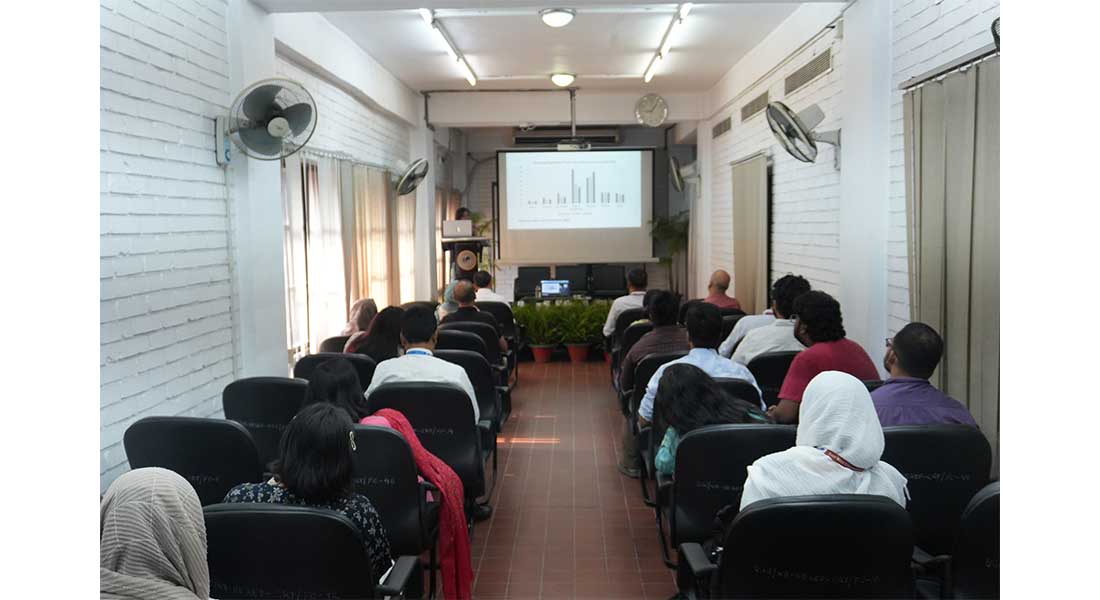
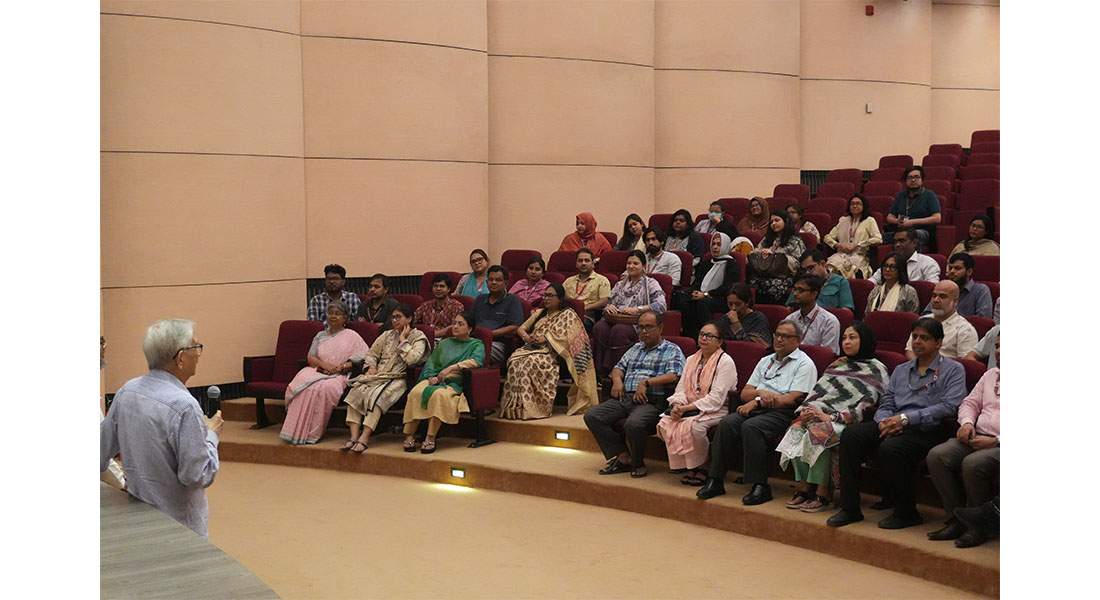
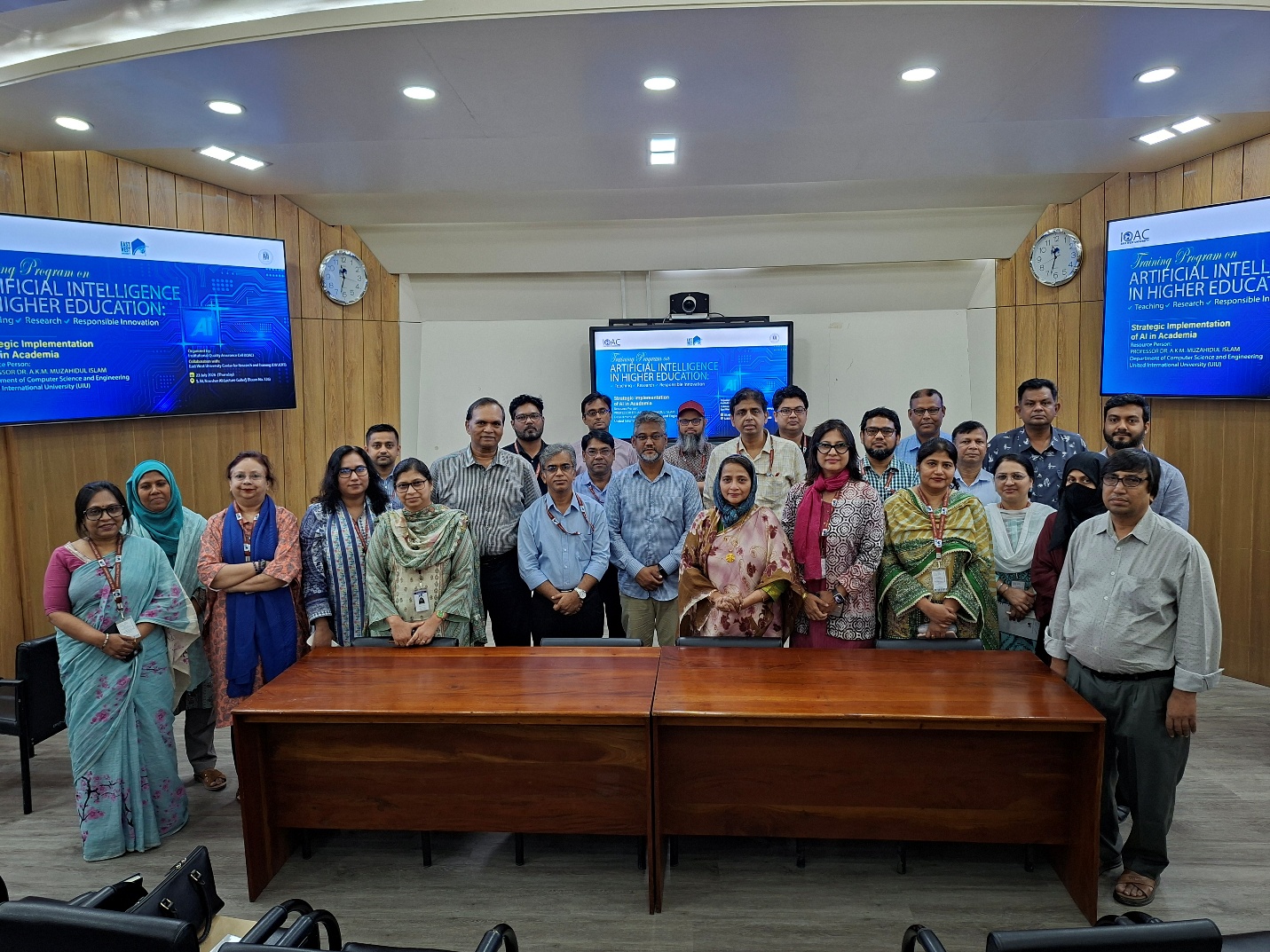
A total of 40 senior faculty members, including Professors and Associate Professors from various academic departments, actively participated in the training. The interactive sessions encouraged participants to engage in discussions of AI tools, AI into teaching, research, assessment, and institutional practices in a responsible and impactful manner.
Professor Dr. Ahmed Wasif Reza, Dean of the Faculty of Sciences and Engineering and Additional Director of IQAC, served as the Program Facilitator, while Dr. Basanta Kumar Barmon, Additional Director of IQAC, successfully coordinated and organized the entire program. The active participation of the faculty members and the invaluable contributions of the distinguished resource persons contributed significantly to the program's success.